
After deciding to spend another three months living in Tokyo, I turned my attention to finding a place I could call home.
As a Canadian citizen, I can visit Japan for up to 90 days without a visa, provided I have proof of a return flight. That was the easy part.
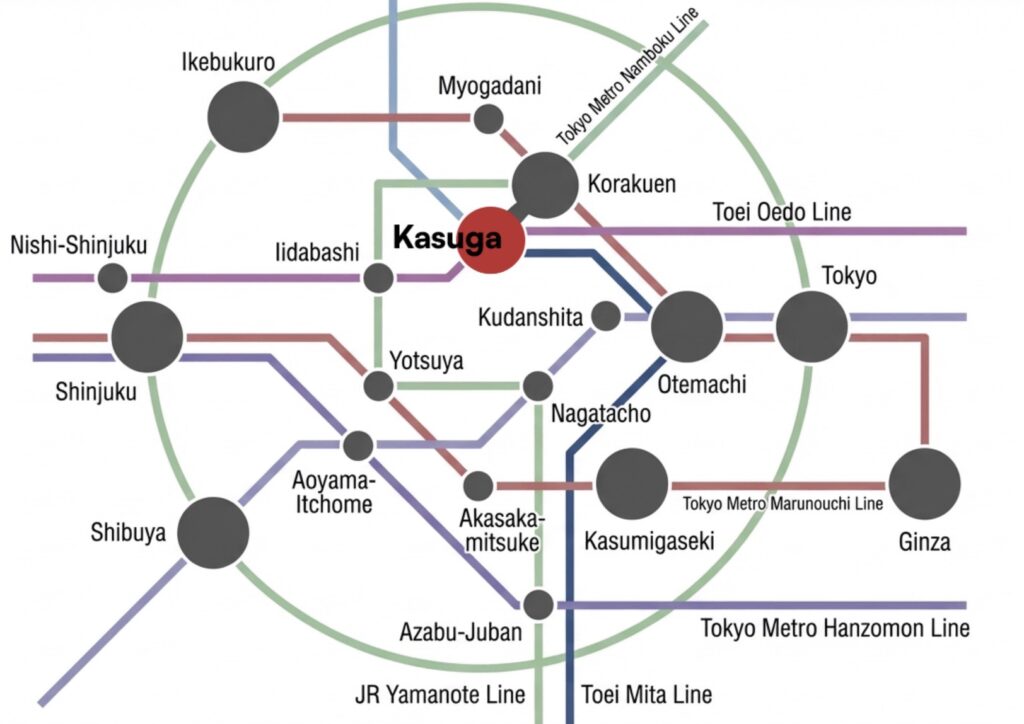
My search began ten months before my planned arrival in September. I wanted to live in central Tokyo, somewhere within or near the Yamanote Line—a circular railway that connects the heart of the Greater Tokyo metropolitan area, home to roughly 37 million people.
The Yamanote Line serves 30 major stations along its approximately 34.5-kilometre route and carries nearly one million passenger trips each day. That works out to almost 29,000 passenger trips per kilometre every day. So, when you sit on the Yamanote Line and look around at the crowds, you are riding one of the busiest individual railway lines in the world.
I wanted a home that blended naturally into the urban landscape—a place where I could live much like an average Tokyo resident. Ideally, it would be part of a genuine neighbourhood, a few blocks away from the noise of the major roads surrounding clusters of multi-purpose buildings.
Tokyo’s neighbourhoods can appear chaotically developed, combining low-rise condominiums, detached homes, convenience stores, restaurants, and small businesses. Yet somehow, the mix works. Many of these communities are remarkably quiet. The roads are narrow, which naturally slows traffic and significantly reduces the number of vehicles passing through.
Airbnb seemed geared primarily toward younger tourists willing to squeeze four or more people into a small condominium for a short stay. The listings were plentiful, but most were not appealing for a visit lasting several months.
My search led me to several real-estate agencies that specialize in helping non-residents find short-term accommodation. However, their properties were generally designed with foreign residents in mind, and the experience felt more transactional than personal. Although the units were easy to secure, I often had no opportunity to view them in person. Online reviews also raised concerns about noise, maintenance, and cleanliness.
I wanted to see the property for myself—to “kick the tires,” so to speak—and test the furniture. A firm bed, in particular, is essential for my aging back.
Fortunately, I came across E-Housing (www.e-housing.jp). Their staff were exceptional: responsive, courteous, and attentive throughout the process. Their prices may be higher than some alternatives, but their white-glove service won me over.
During a visit to Tokyo in May, they showed me three units in the same building. All three were new, clean, and well designed, with excellent floor plans, ample amenities, high-quality furnishings, and a location in a desirable community. I had found what I was looking for.
The next step was the eligibility process, which had to be completed before I could receive a contract. A Japanese sponsor was required, along with full financial disclosure and personal information for background checks. I’m still not sure exactly what was reviewed—or what criteria determined whether an applicant “passed”—but after a month, I was informed that I was eligible and would soon receive the agreement.
Japanese culture and language may be filled with nuances and ambiguity, but Japanese legal contracts are not. The digital contract I received was nearly 50 pages long and left no stone unturned—or room for misinterpretation. Calling it “thorough” would be an understatement.
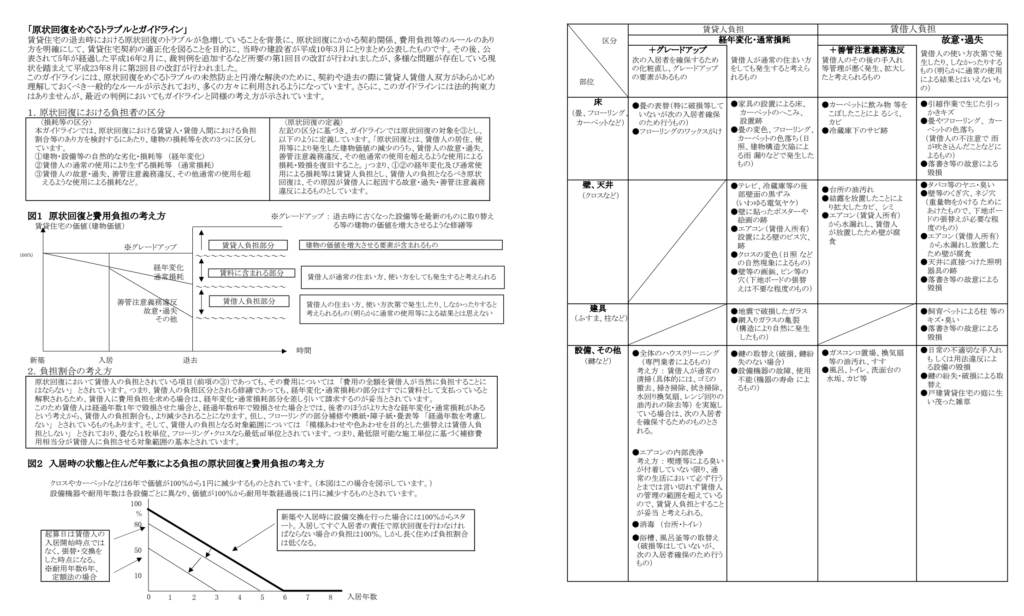
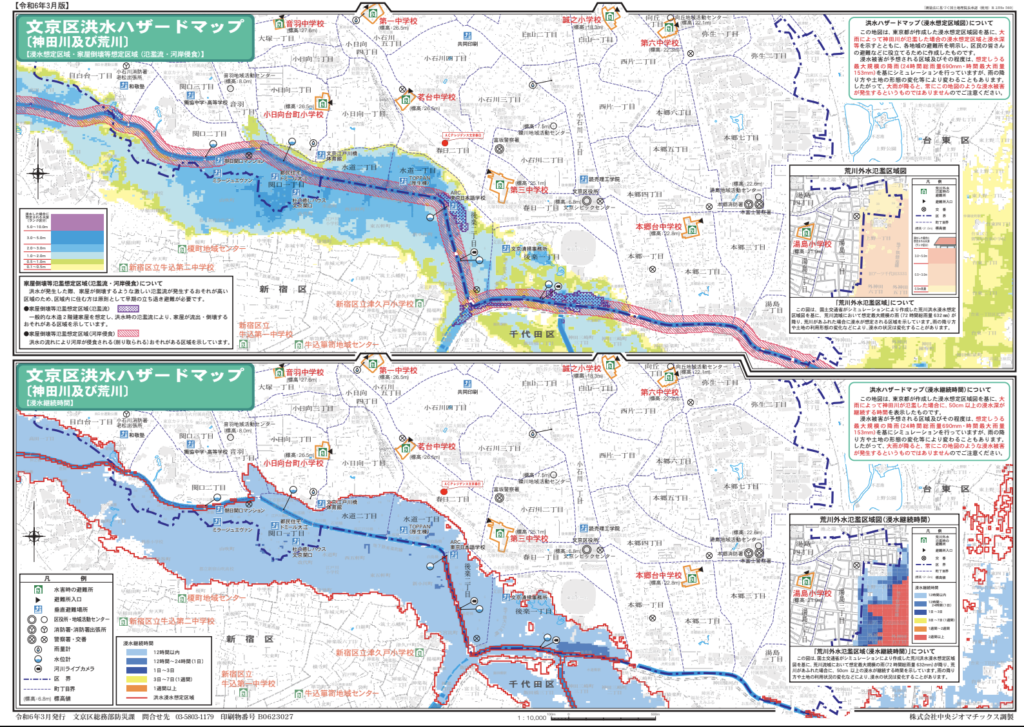
The sections dealing with disaster preparedness were particularly impressive. They covered structural design and integrity, detailed maps based on flood-prediction models, emergency-response plans, and much more. Tokyo experiences a minor earthquake roughly every eight days, most of which are barely noticeable. Larger, damaging earthquakes are far less common, but Tokyo’s location means that preparedness for a major event is taken extremely seriously.
Over the course of my career, I have reviewed many contracts. This was the first time I had no questions or requests for revisions. The respective liabilities and responsibilities of each party were exceptionally clear.
Once the contract had been reviewed—including a verbal walkthrough—signed, and paid in full, I was ready to begin my new adventure.