
About my connection to Okatazuke Salon
I studied comparative culture in Japan and lived there for nearly a decade. Now based in Vancouver, I spend months each year in Japan and remain fascinated by how Japanese practices can enrich daily life for our international community.
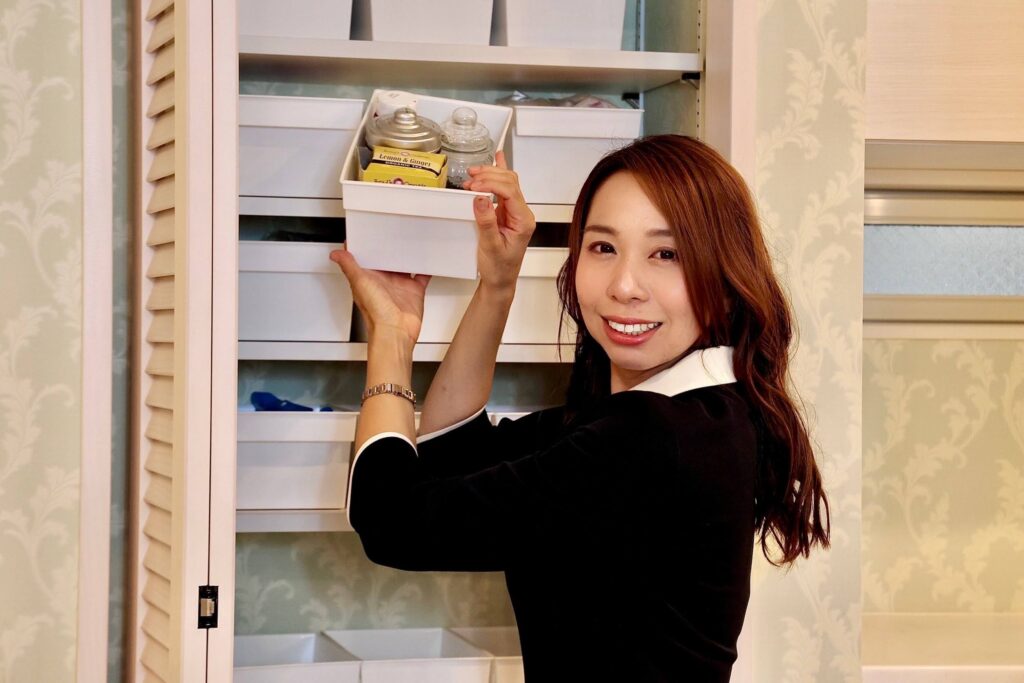
Working with Yuri has convinced me that okatazuke is both culturally rooted and highly transferable. Her upbeat, pragmatic approach makes it easy for people from any background to adopt lasting habits that improve living and working environments, but most importantly, how changing our environment can positively change our lives.
What is “okatazuke”?
Okatazuke means tidying and putting things in order. It’s not an exercise in aesthetic purity. At its best, okatazuke creates useful, intentional space—less friction, fewer distractions, and more room for what matters. That clarity of function and feeling translates across cultures and housing types, from tiny urban flats to family homes.
What makes Yuri’s approach different?
- Practical, not dogmatic. Yuri doesn’t push a single style or one-size-fits-all checklist. She starts by understanding how a person actually lives, then designs simple, realistic changes that fit their routines and priorities. A clear distinction in her approach is empowerment and a shared participatory collaboration. She highly encourages all family members to personally participate in the process so they can influence the outcome and feel empowered and accountable for the changes. Most importantly, this approach most likely leads to a stronger likelihood that these changes will be truly embraced and limits the prospect of returning to our previous ways.
- Grounded in Japanese principles — and translated for everyone. She draws on core ideas from Japanese minimalism and the notion of “ma” — the value of intentional space or a pause — but she frames them in everyday language and concrete steps that work in small apartments or large homes anywhere.
- Hands-on, collaborative process. Rather than lecture, Yuri works alongside clients: sorting, deciding, and arranging together. This practical involvement teaches skills that stick, so people can maintain their space long after the session ends.
- Community-focused impact. Yuri’s work extends beyond private homes. She runs workshops, writes accessible blog posts, and appears on radio and talks to share techniques that anyone can adopt. Her emphasis is on sustainable habits and small, measurable wins rather than dramatic one-off makeovers.
How her methods help people in Japan — and beyond
- For busy city dwellers: Yuri’s techniques are ideal for compact living spaces. She helps prioritize multifunctional storage, reduce visual clutter, and convert small areas into calming, usable zones.
- For families: She teaches systems that reduce daily stress — routines for shared spaces, kid-friendly organization, and ways to keep communal areas functional without constant effort.
- For the international community living in Japan or relocating here: Yuri offers in-person consultations tailored to reassessing your sense of space and establishing efficient, culturally aware storage solutions. Her hands-on sessions help you decide what to keep, how belongings should be arranged for everyday flow, and practical systems to cultivate calm in compact homes or during major transitions.
- For organizations: Her methods scale to community spaces and teams — helping offices, studios, and group spaces become more efficient and less distracting.A personal observation
How has “okatazuke” influenced my life
Watching Yuri’s before-and-after photos and hearing her client stories showed me something deeper than cleaner rooms: people gaining confidence, reclaiming time, and finding mental space. Her tone is quietly encouraging — not prescriptive — and that makes her advice feel achievable.
Through observing Yuri’s teachings and the impact she has had on her clients, it’s influenced my own personal practices for maintaining an orderly home. These may sound trivial, but they have positively made my home a more liveable and enjoyable place.
Always by choice, I have moved over thirty times since moving from my parents’ home to pursue university studies. Frequent moves force me to consider the value of my belongings. I attempt to be a minimalist, especially after one move when everything I owned just disappeared in transit. Since that time, I scrutinize everything I buy – does it have a long-term place in my home, do I really need it, can I live without it, how will it possibly enhance my life? These are questions that I ask of myself, which gives me pause on my purchases.
I also really like Yuri’s notion of “clean often, clean less.” I’ve learned to spot clean after almost every use, especially around my bathroom and kitchen sinks. Also, giving things a place when not in use, but not hidden and easily acceptable, reduces the odds of something being forgotten in a cluttered drawer or closet. Everything also deserves a home and a purpose. As a result, my counters and table tops are sparse and make my home feel orderly but really welcoming, comfortable, and spacious. I also find that by keeping a tidy home, my mind seems to tidy itself too.
I encourage you to dig into Yuri’s content for self-discovery and self-improvement. I’m curious to know if you see a difference in her approach and how her teachings have influenced your approach to managing your home and how it has allowed you to find greater beauty within it.
Want to learn more?
If the idea of clearer space and calmer days appeals to you, start with Yuri’s workshops or an in-person consultation while in Japan. Whether you live in Japan or abroad, her practical blend of Japanese insight and hands-on coaching makes okatazuke accessible and rewarding.
In future blogs, I’ll be sharing more from my interactions with Yuri. They will include practical tips, insights on cultural differences, and observations that may lead to practical applications that you may want to consider. I’m open to your interests and suggestions. After all, these blogs are intended to enrich your life.