
After an uneventful flight across the Pacific, I arrive at Narita International Airport, one of Tokyo’s two major international airports. Located about 60 kilometres from central Tokyo, Narita has a contentious and sometimes violent history. Its construction involved the expropriation of farmland beginning in the mid-1960s, provoking decades of protests and conflict.
Haneda is my preferred Tokyo airport because of its remarkable accessibility. When I first lived in Tokyo in the 1980s, Haneda was a small domestic airport—almost minuscule compared with Narita. Today, although Haneda is physically smaller, it handles far more passengers and flights. With approximately 92 million passengers annually, it ranks as the world’s third-busiest airport, behind Atlanta and Dubai. Narita now handles roughly half that volume.
After taking the Skyliner train to Ueno Station, I faced the challenge of navigating the final few kilometres to my new home with all my luggage. A taxi seemed the obvious choice.
To my delight, the first vehicle I flagged down was a brand-new Toyota Crown, Toyota’s most luxurious model, powered by a hydrogen fuel cell. In simple terms, it is an electric car that generates its own electricity onboard using hydrogen rather than storing most of its energy in a large battery.
My driver, Kato-san, was an energetic and highly talkative man in his eighties. He told me that Tokyo currently has only 29 hydrogen-fuelling stations, all privately operated. The advantages of the technology are impressive: refuelling takes about three minutes, and 5.6 kilograms of hydrogen can provide a driving range of approximately 820 kilometres.
Toyota’s fuel-cell taxis are part of the Tokyo government’s objective of having 600 such vehicles on the road by 2030. I expect to see a steady trickle of these cars appearing on Tokyo’s streets as Toyota works to build the hydrogen ecosystem while simultaneously selling the vehicles.
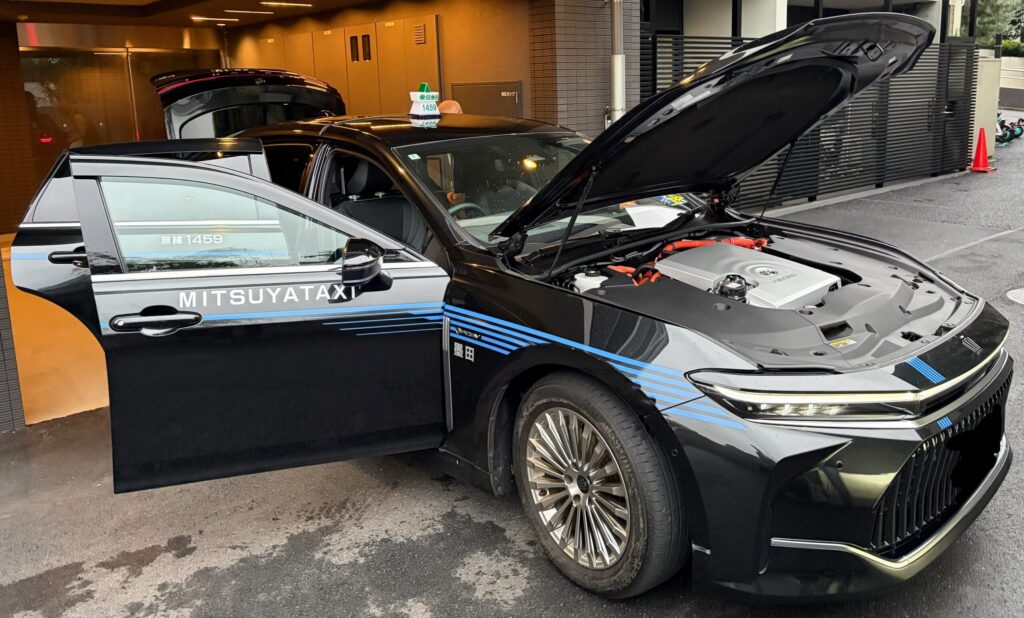
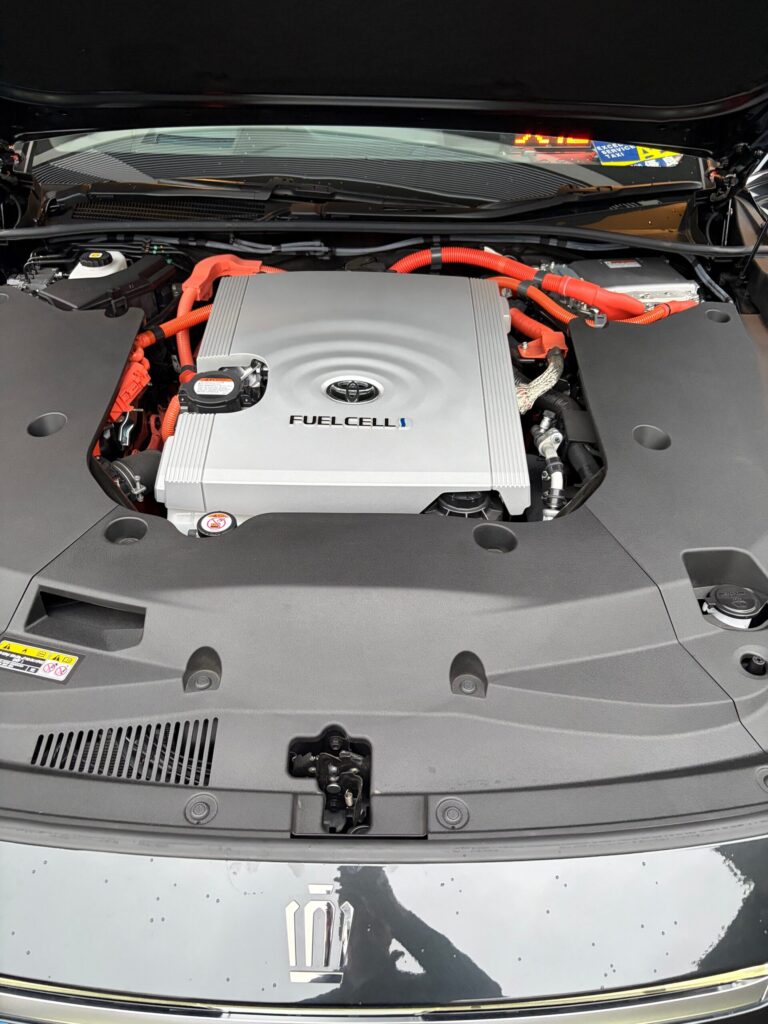
The initiative also reflects Japan’s broader energy challenge. The country imports virtually all of its petroleum, and recent disruptions and uncertainty around the Strait of Hormuz have reinforced the need to diversify its energy sources.
After saying goodbye to Kato-san with the customary Japanese gestures and formalities, I was greeted at my building by three representatives from e-Housing. They had come to introduce me to my new home.
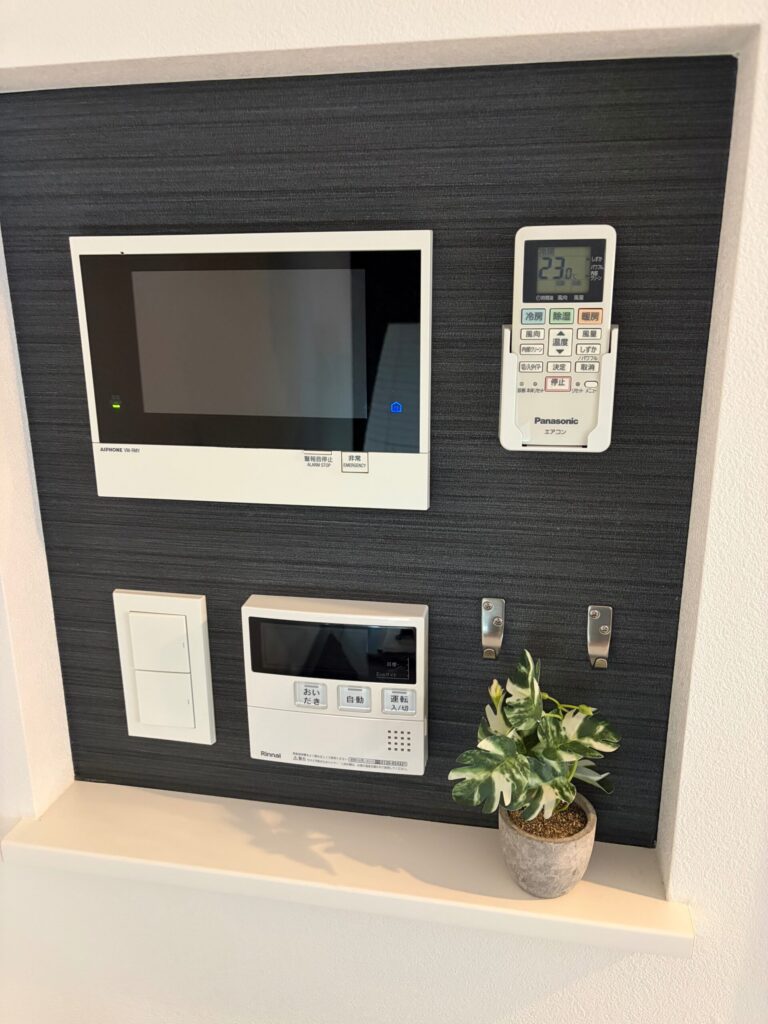
At 41 square metres—about 441 square feet—the apartment is relatively spacious by Tokyo standards for a one-bedroom condominium. It is classified as a 1LDK: one living room, dining area, kitchen, and bedroom. Despite its compact footprint, the suite feels surprisingly roomy. As expected from a two-year-old Japanese building, it also includes an impressive range of modern technological amenities.
At the same time, the apartment incorporates many features rooted in traditional Japanese homes.
The entrance, or genkan, is slightly lower than the rest of the apartment. This creates a clear boundary between the outside world and the home, helping prevent dirt from being carried indoors. Shoes are strictly forbidden beyond this point. Without wishing to rely on stereotypes, my experience is that Japanese people are particularly attentive to cleanliness and hygiene.
That attention is especially evident in the bathroom.
Japanese homes traditionally separate the toilet from the bathing area, reflecting a combination of hygiene, cultural beliefs about cleanliness, practicality, and historical development. One relevant concept is kegare—the idea of impurity or contamination. Historically, bodily waste was viewed as something that should be physically separated from spaces associated with washing and everyday life.
But the separation represents more than simple hygiene. Japanese bathing culture makes a fundamental distinction between washing and soaking.
You wash your body before entering the tub. Once you are clean, the bath becomes a place for warmth, rest, and relaxation. The tub is kept clean precisely because you enter it already clean.
This is one of the clearest examples of how cultural values shape everyday architecture. It also illustrates that Japanese organization is not merely about tidiness. Spaces are carefully assigned distinct meanings and purposes.
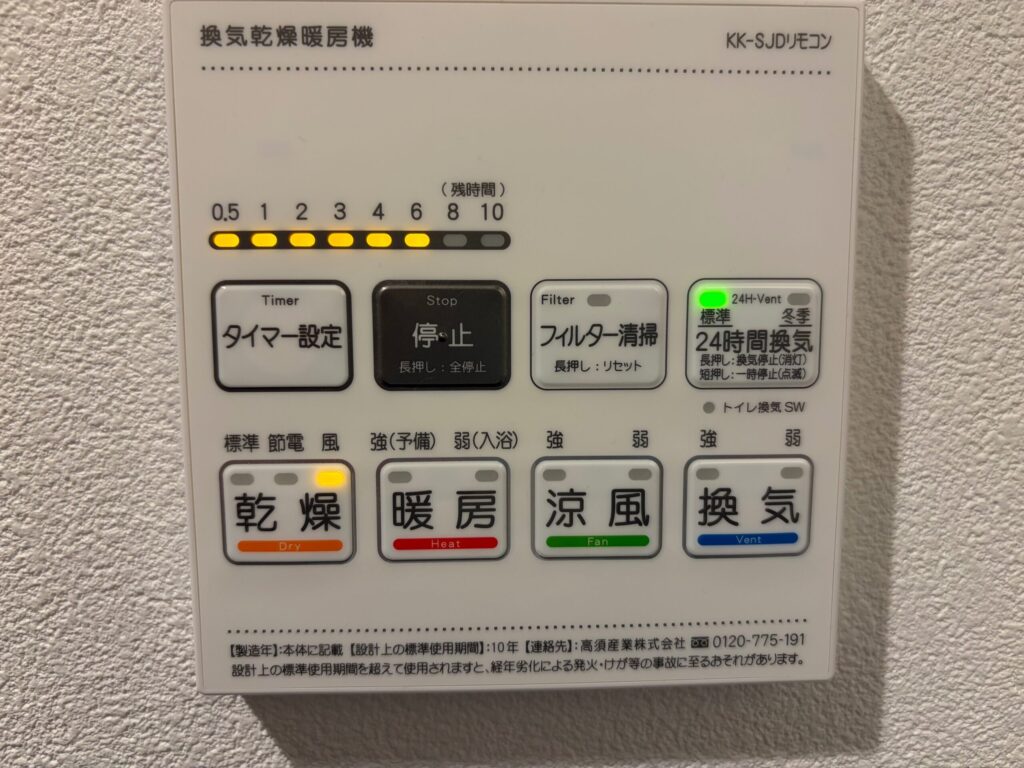
Modern Japanese bathrooms and toilets are remarkably sophisticated. Water temperature can be set to the exact degree, while digital controls manage water levels, ventilation, heating, timing, and the filling and emptying of the tub—to name only a few functions.
My bathroom has quickly become my Japanese sanctuary.
I understand why. In a densely populated city with an intense and demanding urban culture, the ritual of bathing at the end of the day is deeply inviting. It is a stress reliever before sleep and a transition ritual between the outside world and home.
The bath restores the body, calms the mind, and creates a quiet boundary between one part of the day and the next.