
My home is just 120 steps from the closest grocery store, offering two options in opposite directions. These small stores stock everything I need to maintain a healthy lifestyle. Then there are the konbini, Japanese for convenience stores. There are 56,000 nationwide and 7,000 in Tokyo Metropolis, about one for every 2,000 people. Konbini are no more than 100 metres away in any direction and are dominated by 7-Eleven, FamilyMart, and Lawson. The konbini phenomenon is so ingrained in Japanese daily life that it deserves its own blog. Stay tuned!
I’m quickly learning that not a lot of effort or expense needs to go into eating healthily. Kitchens in Tokyo homes, especially for one-person occupants, are small, making it a challenge to do any serious cooking. There’s no oven and often no dishwasher. There is a grill, primarily for grilling fish. So no Canadian Thanksgiving turkey dinner with all of the trimmings. It’s also not common for Japanese to invite non-family members into their homes. People go to restaurants, cafés, or entertainment venues to socialize.

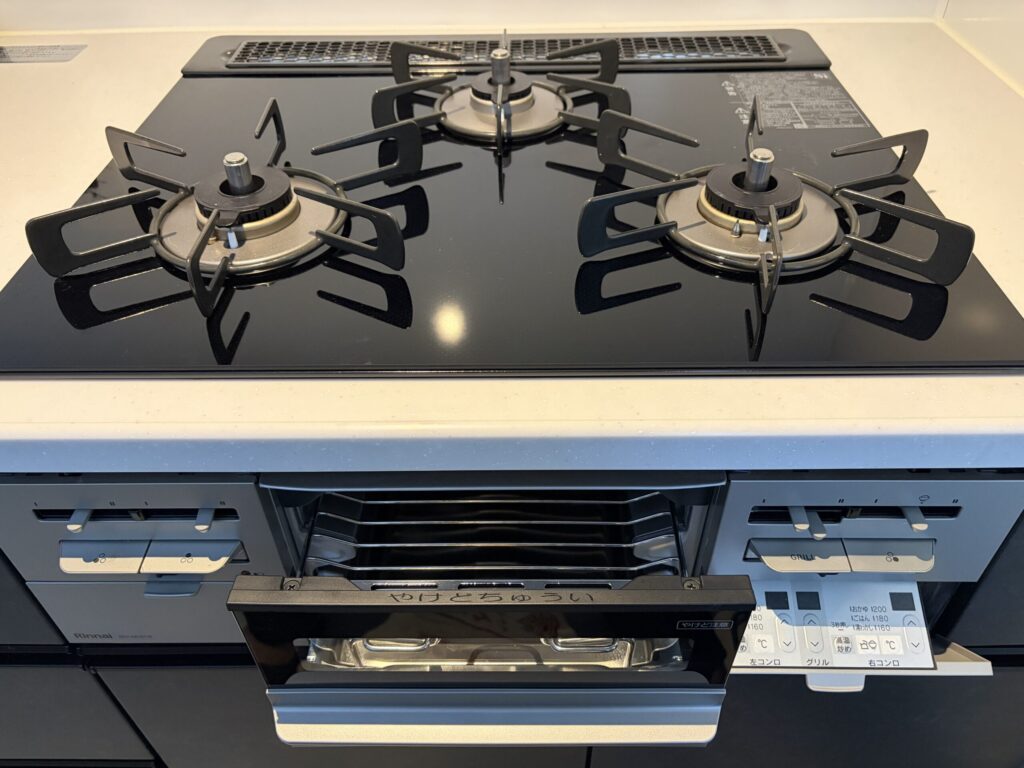
Tokyo has a high concentration of single-person households, and this proportion has been steadily increasing. Recent projections indicate that single-person households are expected to constitute more than half of all households in Tokyo by 2050. Cooking for one in a small kitchen is not conducive to elaborate meal preparation.
But what is convenient, inexpensive, and healthy are the multitude of options of ready-to-consume and easy-to-assemble meals. I’m reminded of how much of the traditional Japanese diet is based on soybeans. Japan has hundreds of regional and household variations made with soybeans. To briefly itemize some examples:
- Whole or cooked soybeans: edamame; nimame (simmered beans); sekihan variations with soybeans; iri-daizu (roasted soybeans); gojiru (soybean soup).
- Fermented soybeans: miso; natto; shoyu (Japanese soy sauce); tamari; hishio; kinzanji miso.
- Tofu and soy milk foods: tofu; yuba (tofu skin); okara (soy pulp); atsuage and aburaage (fried tofu); ganmodoki; koyadofu; tofu dengaku; soy milk and tōnyū nabe.
- Soybean flour and sweets: kinako; warabi mochi or other sweets coated with kinako; uguisu mochi; zunda (sweet edamame paste), often used in zunda mochi.
- Foods made with soybean products: miso soup; miso dengaku; miso-marinated dishes; shoyu ramen; tsukemono seasoned with soy sauce; agedashi tofu; inari-zushi (often wrapped in seasoned fried tofu); yudofu; sukiyaki and shabu-shabu dipping sauces containing soy sauce.
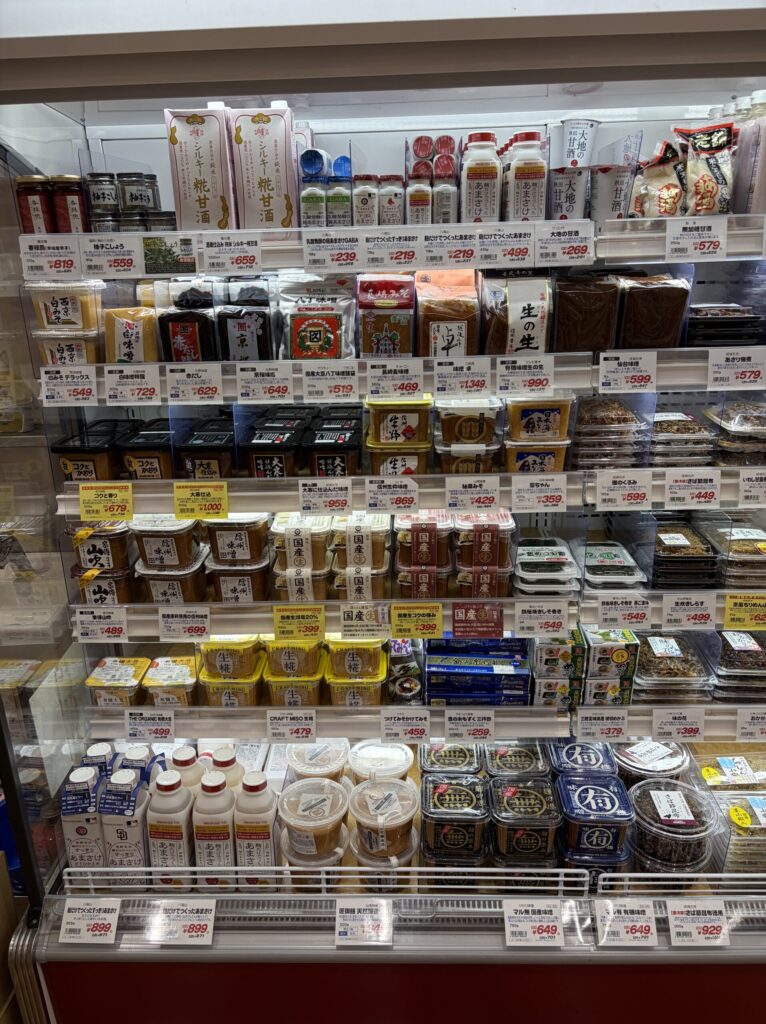
And they are cheap. All of my favourites – a small slab of tofu, soybean sprouts, edamame, natto – can each be purchased for less than one US dollar. They are a “super food” so very nutritious and high in protein.
Japanese food producers cater to single-person households, small portions allowing for consumption of diverse food types without having to eat leftovers for days after. I enjoy the easy-to-cook meal options that allow me to purchase a fresh vegetable or meat of my choice and place it in a specially designed bag that contains a healthy sauce mixture. I seal it, give it a good massage, mixing the ingredients into the fresh produce, place it in the microwave for about ten minutes, and presto, a healthy and yummy dinner. There are literally thousands of these options available so simple meals don’t mean compromising on options.
The variety of fresh fruits is also in abundance. Japan possesses an exceptional diversity of citrus fruits, with over 100 varieties throughout the country. Yuzu has become extremely popular overseas, but the other equally delicious options like kabosu or sudachi haven’t hit the world stage for whatever reason. But notably the mikan (Satsuma Mandarin) – the most iconic Japanese citrus in abundance and inexpensive, known for being seedless, easy to peel, and sweet.
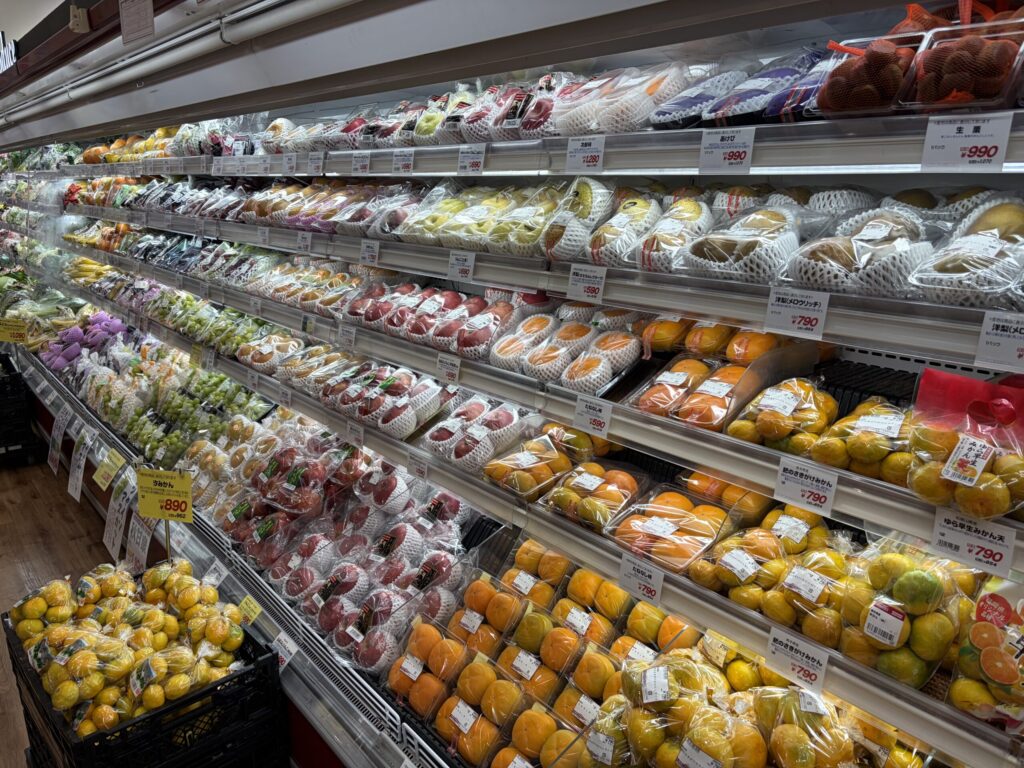
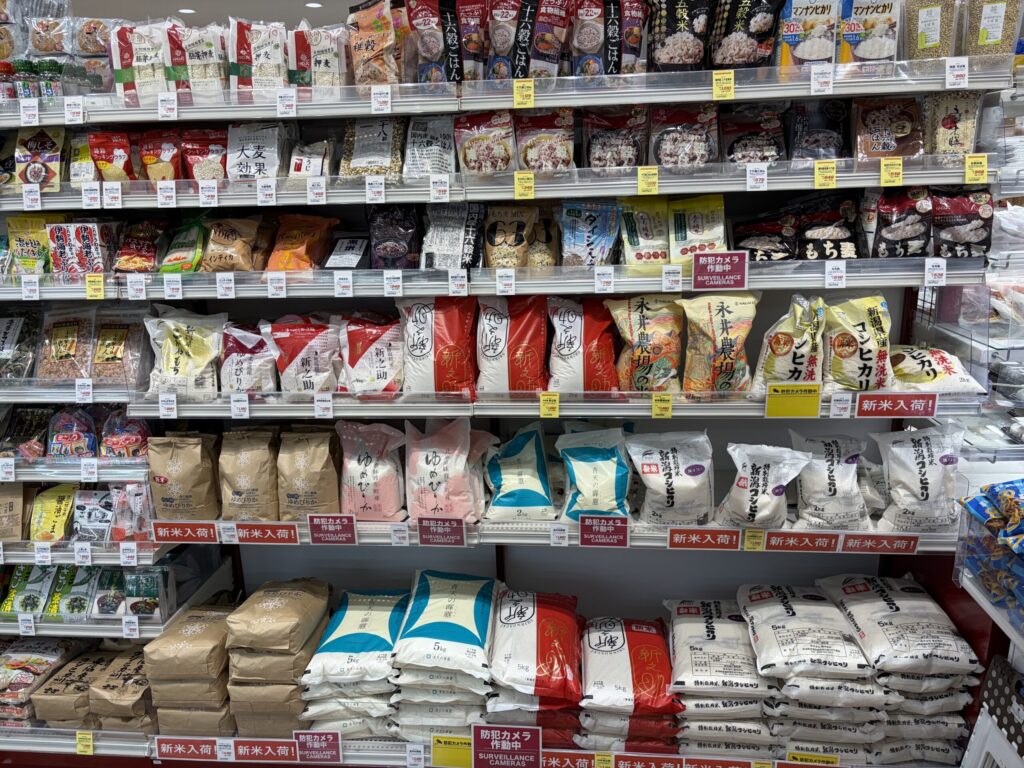
Japan’s fruit diversity reflects its long, mountainous archipelago, which spans cool northern climates to subtropical islands, creating many growing conditions and distinct regional specialties. Generations of cultivation and careful breeding have added further variety—from familiar fruits such as apples, pears, persimmons, and peaches to Japan’s many citrus types. Needless to say, there are more fruits than ever before as they are yummy to explore and plentiful in variety.
So does access to healthy foods equate to a healthier society? Yes, in Japan, high access to healthy, nutrient-dense, and balanced food options strongly correlates with one of the healthiest societies in the world, particularly regarding body weight. Japan consistently maintains one of the lowest adult obesity rates among developed nations, with figures typically cited between 4% and 6%, compared to significantly higher rates in many other OECD countries (where rates often exceed 25-40%).
The traditional Japanese diet is characterized by high consumption of fish, soy products, vegetables, and fermented foods, with relatively lower intake of red meat, dairy, refined sugars, and ultra-processed foods compared to many Western diets.
Japanese culinary culture emphasizes small, aesthetically pleasing portions. This focus on variety over volume encourages mindful eating, which helps in moderating caloric intake. As discussed in previous blogs, Japan’s urban model is built around public transit. Most residents walk to and from train stations, which creates a high level of daily incidental physical activity that is integrated into the routine, rather than requiring dedicated gym time.
Another key driver for lower obesity rates is the school lunch programs (Kyūshoku). Japan has a robust, state-supported school lunch system that ensures children receive nutritionally balanced, freshly prepared meals. This helps establish healthy eating habits from a young age.
In Tokyo, eating well doesn’t require a big kitchen, a big budget, or hours at the stove. A short walk brings you to groceries, konbini, and a remarkable range of affordable foods—from protein-rich soy staples and ready-to-assemble meals to citrus varieties you may never have tasted. In a city where many people live alone, small portions and everyday convenience make variety practical, while a food culture of balance and a walkable, transit-oriented lifestyle help support healthier habits. Could Tokyo’s secret be less about “superfoods” and more about making good choices easy?