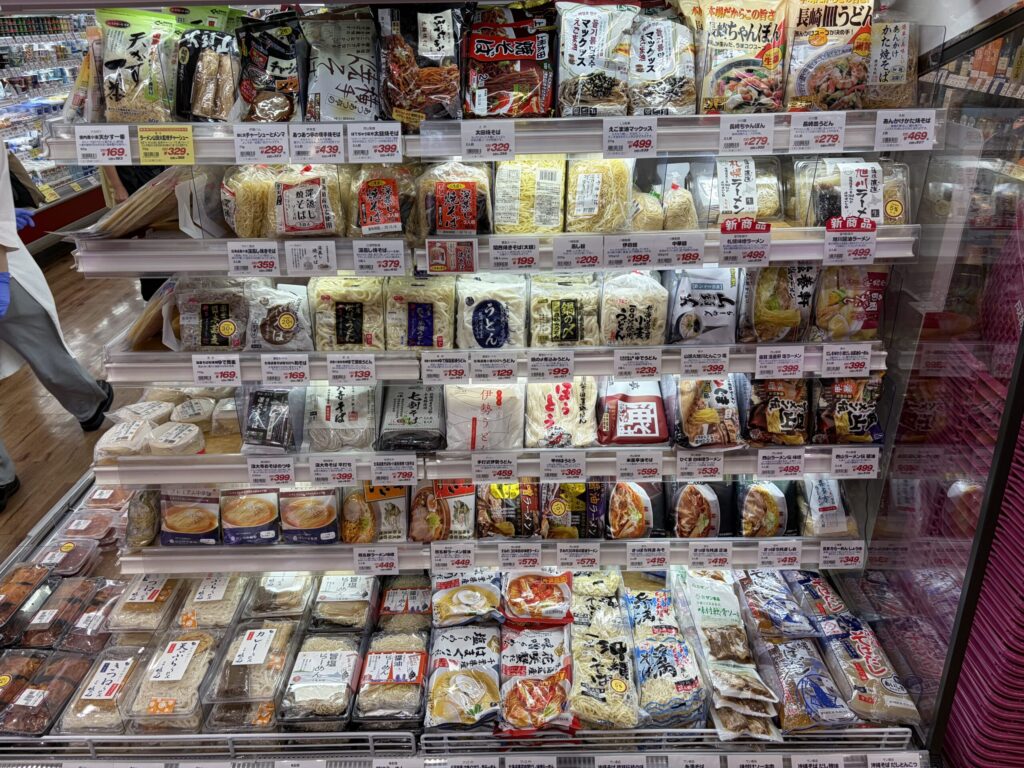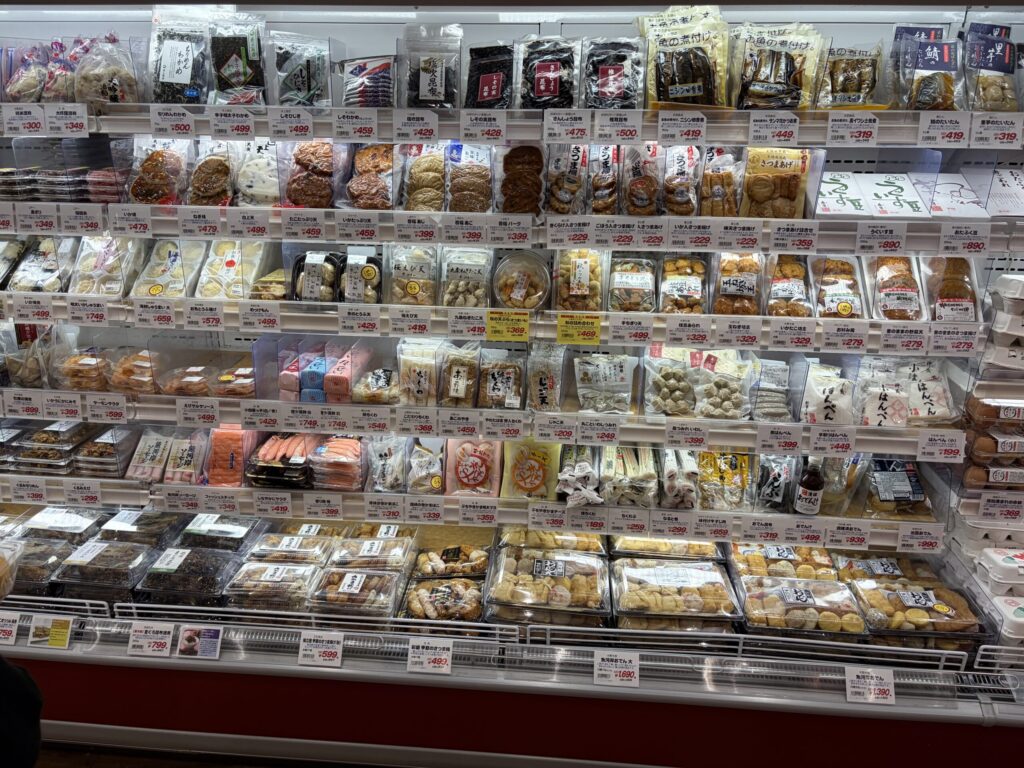
Anyone visiting Tokyo for the first time will be in awe at the level of convenience it offers. From a very accessible public transportation network to a mind-blogging diversity of shopping, entertainment and restaurant options. Tokyo truly has it all like no other city in the world.
Anthony Bourdain often described Tokyo as one of the world’s great food cities—not because of one signature cuisine, but because of its astonishing range and devotion to craft. He admired the care behind everything from humble ramen, yakitori, and sushi counters to formal kaiseki meals. Bourdain admired Tokyo for the extraordinary breadth of its food culture, where everyday meals and meticulous fine dining could both feel like expressions of deep craft.
Tokyo is not a city with a single centre so much as a constellation of station-centred hubs. Shinjuku, Shibuya, Ikebukuro, and other districts each operate like a small city, combining transport, retail, offices, and entertainment around major rail interchanges. The result is a highly connected, polycentric metropolis in which the station is often both the commute’s endpoint and the neighbourhood’s main public space.
Tokyo’s rail network consists of the Tokyo Metro which operates 9 lines and 180 stations. The Toei Subway operates 4 lines and 106 stations. Their routes overlap and connect with extensive JR and private-rail networks. Everyone in Tokyo is no further than about a ten minute walk to a station.
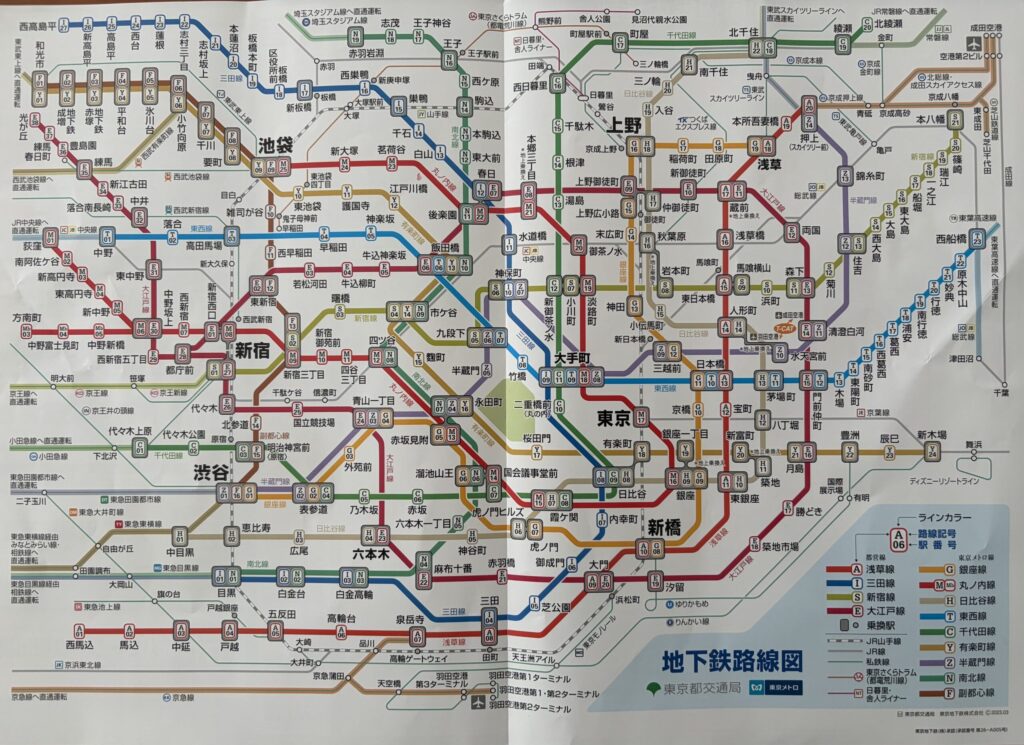
My residential area of Kasuga is about 500 metres north-west of Korakuen which houses the Bunkyo-ku district government and the Tokyo Dome, home to the Yomiuri Giants baseball team. It’s small in comparison to Shinjuku or Tokyo but hosts an amazing variety of shopping options, especially an abundance of grocery stores which carries a large variety of international produce.
The produce variety is striking: rice and vegetables from other prefectures; seafood from coastal fisheries and international suppliers; and imported staples such as coffee, wine, cheese, meat, fruit, and spices. Major distribution hubs, including Tokyo’s Toyosu wholesale market, sort and redirect food on a scale that can make an ordinary breakfast or ramen bowl depend on long, carefully timed supply chains. Drinks follow the same pattern, from imported wines and spirits to coffee beans, tea, and ingredients for the city’s many bars and cafés.
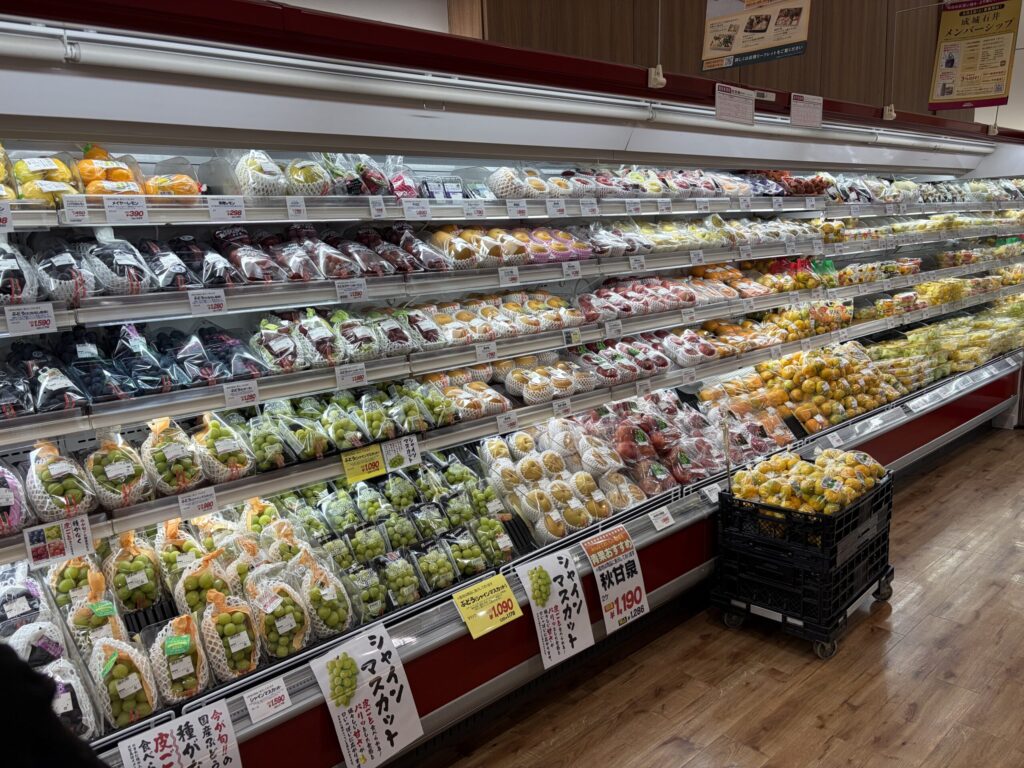
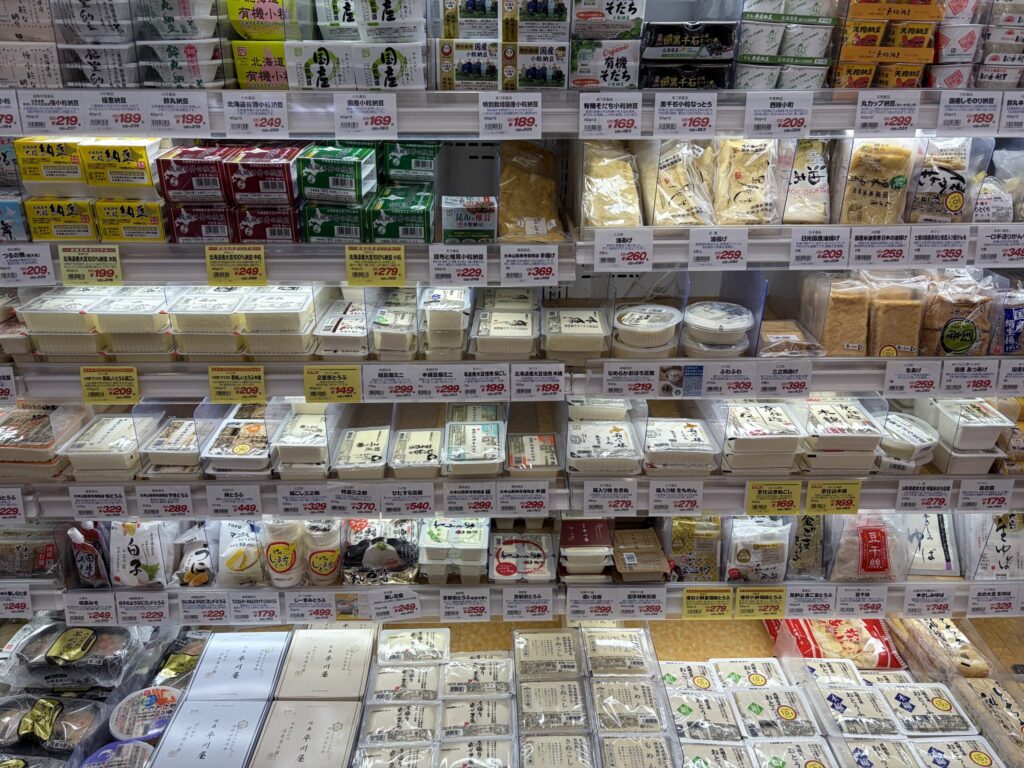
What makes it especially astonishing is the coordination and timing. Fresh products must be handled at the right temperature, delivered in the right quantities, and replenished constantly—often through dense, congested streets with little room for large storage facilities. A small restaurant may rely on daily deliveries, while supermarkets and convenience stores manage a steady turnover of perishable goods.
Tokyo’s logistics are uniquely demanding not just because of the volume of imports, but because of the geography of distribution. The “Last Mile” bottleneck is one such challenge. Unlike many Western cities with sprawling peripheral warehouses, Tokyo’s dense, narrow street network and limited commercial storage space make the final stage of food delivery incredibly complex.
There’s also a lack of nearby buffer. A city like Paris has a massive, productive agricultural hinterland immediately surrounding it. Tokyo, conversely, is surrounded by other urbanized prefectures, meaning it essentially has no large-scale agricultural buffer zone nearby to provide immediate, local supply in case of disruption.
Lastly, Tokyo dependents on precise timing because storage space in the city is so scarce, the logistics network must function in a continuous, high-speed loop. The “mind-boggling” nature of Tokyo’s food supply is less about the source of the food and more about the continuous, high-pressure orchestration required to keep a city of 37 million people fed when almost every calorie is brought in from a great distance.
I encourage anyone visiting Tokyo for the first time to venture into the world of Tokyo’s depachika—literally “basement department stores”—a vivid expression of the city’s food culture and logistics. Beneath major department stores and railway stations, these bustling food halls bring together beautifully presented bento, sushi, sweets, fresh produce, prepared dishes, and specialty ingredients from across Japan and abroad.
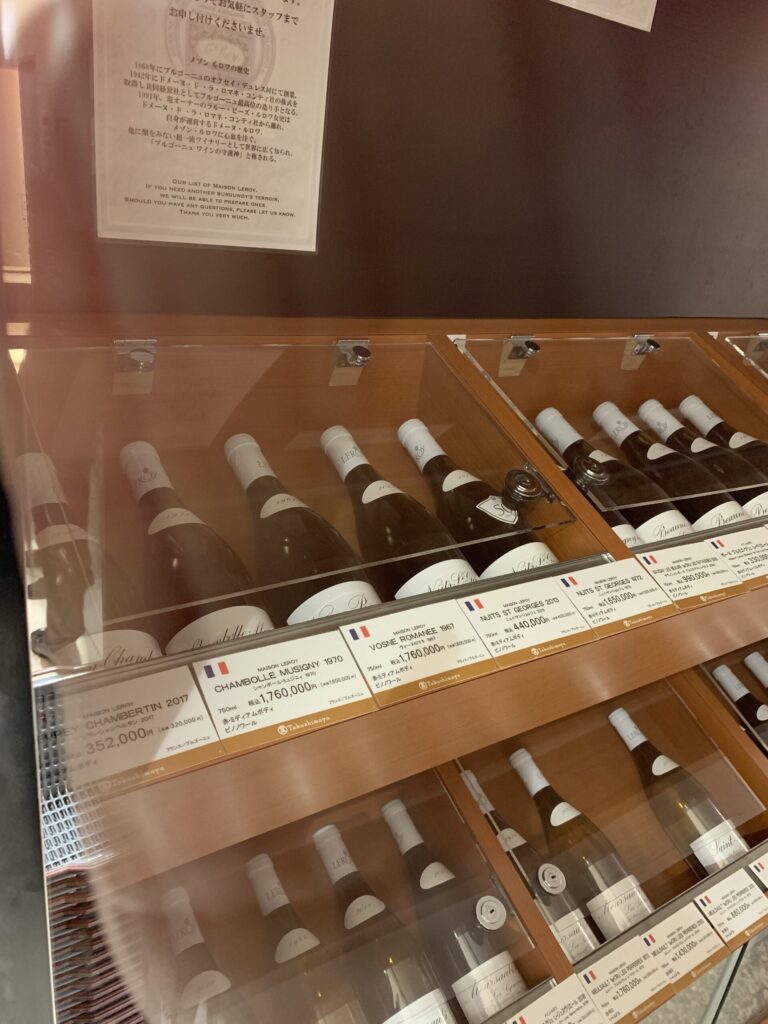
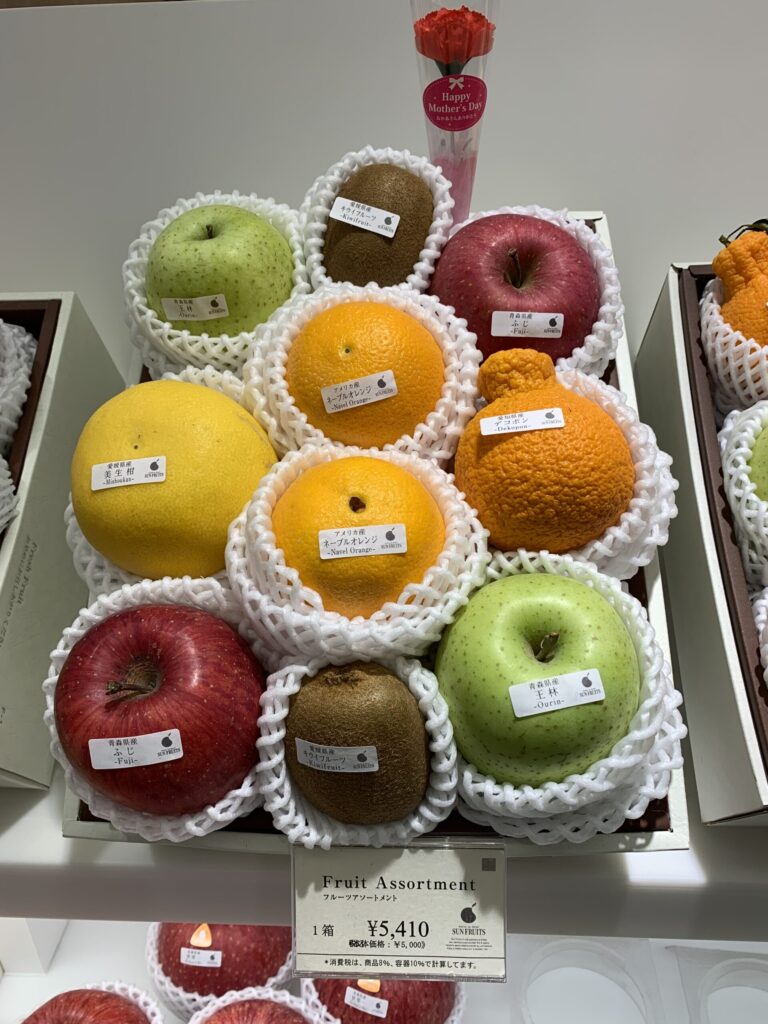
They serve commuters looking for a quick meal, shoppers seeking gifts, and home cooks searching for hard-to-find foods, all within easy reach of the transit network. Their abundance can feel almost theatrical, but it depends on a steady flow of ingredients, skilled preparation, careful merchandising, and frequent restocking—turning the department-store basement into both a neighbourhood marketplace and a showcase of Tokyo’s remarkable appetite for variety.
Tokyo’s convenience can feel effortless: trains connect bustling, station-centred neighbourhoods, while shops and restaurants offer seemingly endless food choices. Yet behind that abundance is a complex system operating at extraordinary speed. Japan imports roughly 60% of its food by caloric value, so everyday meals depend on supply chains stretching far beyond the city, followed by precise deliveries through Tokyo’s dense streets. Nowhere is that contrast more vivid—or more delicious—than in the depachika, where a dazzling display of food reveals the immense coordination required to keep Tokyo fed.