If you’re an international resident living in Japan, adjusting to the limited storage space in a Japanese home can take some getting used to. Whether you live in a small apartment in Tokyo or a house elsewhere in Japan, organizing your home starts with deciding what you truly need.
Japanese homes, especially those in urban areas, are often quite small compared with homes in many other countries.
When storage space is limited, simply trying to “create more storage” is not always the answer.
What matters is thinking about three things:
“What do I want to keep?”
“How do I use it?”
“Where should it live?”
As a professional organizer in Japan, these are questions I think about both in my own home and when helping my clients.
Here are five ideas for living more comfortably and intentionally in a small Japanese home.
1. Organize Before You Think About Storage
How many things in your home have you not used in more than a year?
A dress you bought five years ago.
A kitchen appliance you thought might be useful someday.
Expensive cosmetics you bought after someone recommended them.
A handbag or piece of jewelry your mother gave you.
A mug a friend brought back from a trip.
You may have been happy to receive or buy these things, and perhaps you used them at first.
But over time, they can simply become part of the scenery in your home―still there, but no longer truly being used.
In my work, I often talk about “the relationship between people and their belongings.”
I believe that objects fulfill their purpose when they are used.
The things that make you think,
“Thank you.”
“You really helped me today.”
are probably things with which you have a very good relationship.
But then there are the things we haven’t used for years and still keep because:
“I don’t dislike it.”
“It was expensive.”
“I might need it someday.”
In a way, it can be a little like a relationship that has run its course.
You’re not particularly happy together anymore, but you don’t quite want to let go. You’re not sure whether there will be something else to replace it, so you keep it around “just in case.”
If that kind of uncertain relationship continued for years, the other person probably wouldn’t be very happy either.
Objects cannot speak, of course―but sometimes I think the same idea applies.
Every day. Once a week. A few times a month. Once every six months. Even once a year.
“If something still has a turn in your life, you still have an active relationship with it.”
How often you use something can tell you a great deal about your relationship with it.
If you have not used something for more than a year, consider giving it to someone who will use it, selling it, donating it, or simply acknowledging that it has fulfilled its role in your life and letting it go.
In Japan, we often use the word “mottainai” to express the feeling that it would be wasteful to throw something away.
But keeping something hidden in a cupboard for years while never using it can also be “mottainai”.
When you truly look at your belongings, many emotions may surface:
“It was expensive.”
“It reminds me of someone.”
“It was a gift.”
“It was fashionable.”
“I might use it someday.”
Rather than avoiding those feelings, consider them one at a time.
The things you consciously choose after that process are much more likely to be the things you genuinely need in your life today.
2. “Nice to Have” Often Means “Fine Without It”
My mother is in her seventies.
When we organized her kitchen together, we discovered a surprising number of specialized cooking tools and dishes.
There were special cups for “chawanmushi”(Japanese steamed egg custard), forks for eating crab, “jubako” boxes for New Year’s “osechi” dishes, parfait glasses, bamboo trays for serving soba noodles, and more.
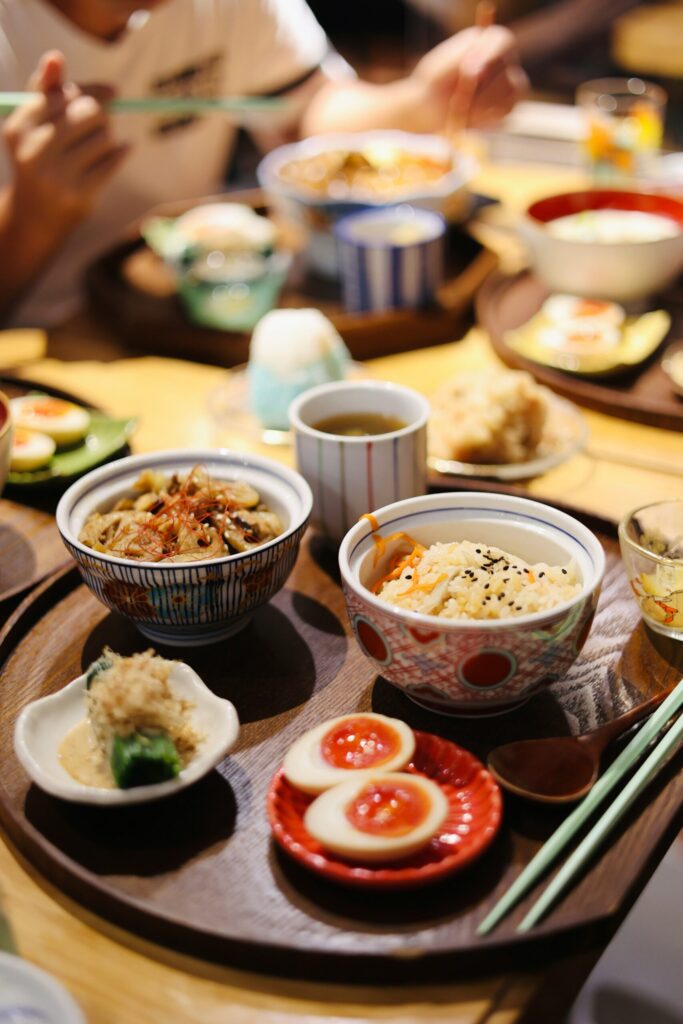
If you have eaten traditional Japanese food, you may have noticed how much importance Japanese culture places on choosing the right dish for each food and creating beautiful, seasonal presentations.
It is one of the lovely aspects of Japanese food culture.
But Japan also has another tradition: using a small number of objects thoughtfully and flexibly.
In Zen Buddhist monastic practice, for example, a set of bowls can serve multiple purposes, including soup and tea. At the end of the meal, the bowls are carefully cleaned using pickles and tea, and even the tea used in the process is consumed. A set of four or five bowls of different sizes nests neatly inside one another and is finally wrapped in cloth for compact storage.
I have always loved this practice.
There is an old Japanese saying:
“Half a tatami mat when awake, one tatami mat when asleep.”
It reminds us that human beings actually need very little space to live.
Using what we already have with care, rather than owning more than we need, reflects a kind of traditional Japanese wisdom that feels surprisingly close to what we now call minimalism.
With that idea in mind, my mother and I looked at her kitchen items one by one.
These days, she and my elderly father no longer buy or eat enough “osechi” to fill a large “jubako” box.
She rarely makes “chawanmushi” anymore.
And when she serves soba, she no longer transfers it onto a special bamboo tray―she simply uses what she already has.
So she decided to let go of the specialized items she had not used for years.
At first, she worried.
“What if I need them?”
“It seems wasteful to get rid of them.”
But later she told me:
“I was surprised by how little I missed them.”
With fewer things in her kitchen, she also became better at finding new ways to use what she already owned―and keeping the kitchen organized became much easier.
Specialized tools can certainly be useful.
But before buying or keeping one, try asking yourself:
“Do I really need a separate item just for this?”
In a small home, that single question can free up a surprising amount of space.
3. Create Rules for Keeping Memories
Sentimental items cannot be judged simply by how often we use them.
That is why, rather than forcing myself to get rid of them, I create rules for what I keep.
Take my child’s artwork, for example.
When a new piece comes home, I display it for a while in a small gallery area in our home.
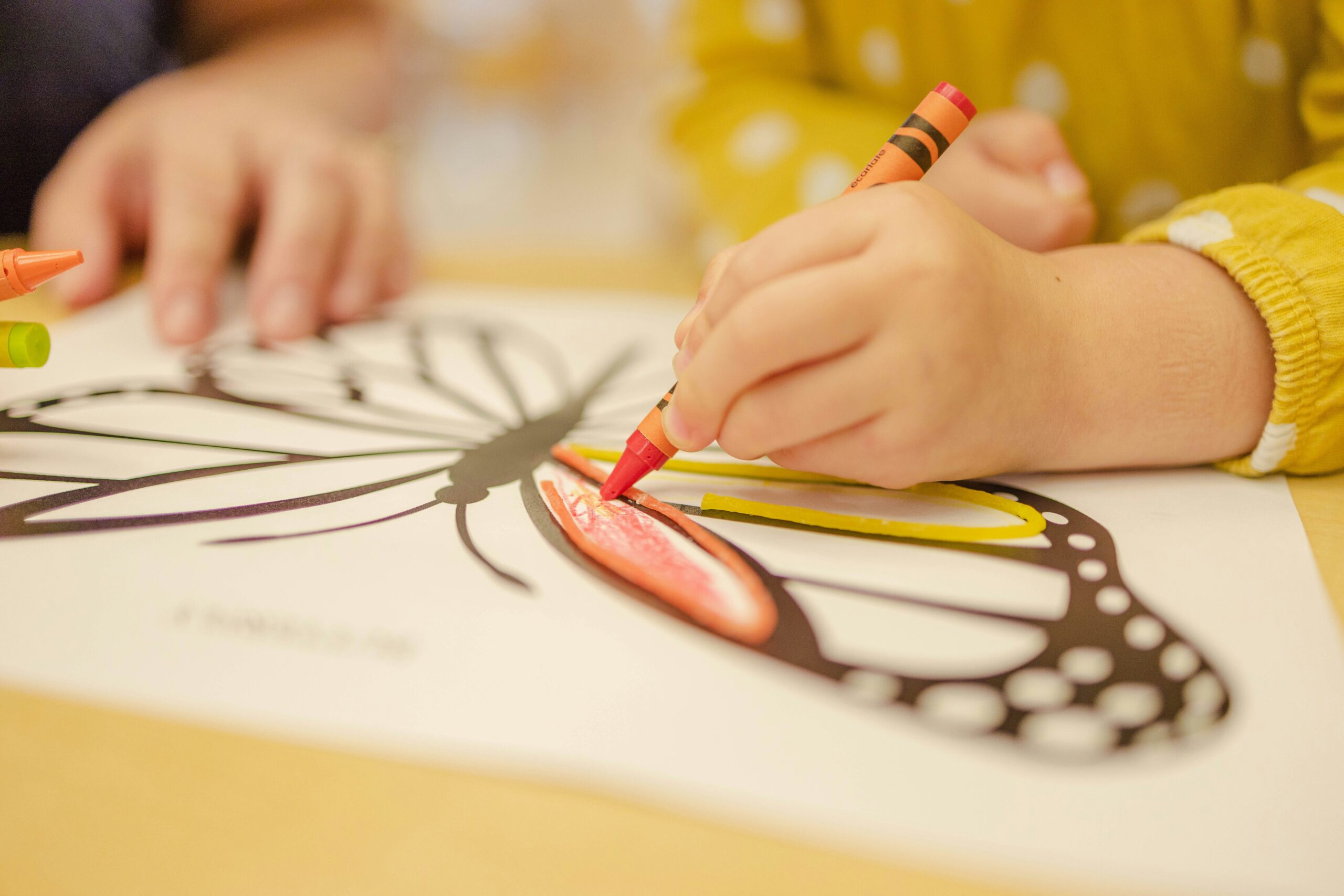
Later, I usually let go of three-dimensional crafts, while keeping drawings that I particularly love or pieces that remind me of something my child worked especially hard on.
I also have a designated box for these memories.
As a general rule, I keep only what fits inside it.
For larger pieces, taking a photograph can be another way of preserving the memory without keeping the physical object forever.
On the other hand, I have kept most of the jewelry passed down to me by my mother and aunt.
Some pieces, such as old pearls, may have very little resale value.
But jewelry takes up very little physical space, and these pieces have meaning to me.
So for me, they are worth keeping.
The important thing is that the answer is neither:
“Throw away all sentimental things.”
nor:
“Keep absolutely everything.”
Instead, ask yourself:
What do I truly want to preserve?
And how much space am I comfortable giving to those memories?
Creating your own rules allows you to treasure your memories without allowing them to take over your home.
4. Make Smart Use of Japanese Storage Products
Once you have decided what to keep, then it is time to think about storage.
Because many Japanese homes are small, Japan has developed an incredible variety of products designed to make the most of limited space.
You can find things such as:
Slim drawers designed for narrow gaps
Shelf risers that make use of vertical space
Dividers for drawers and cupboards
Hooks and organizers that use wall space
Racks that allow books to be stored in two rows
Clever products designed to turn awkward gaps into usable storage
Visit stores such as Seria, DAISO, CAINZ, NITORI, MUJI, or a Japanese home improvement store, and you will find an amazing range of clever storage solutions.
But there is one important rule:
Don’t see a storage product and immediately think, “That looks useful―I’ll buy it!”
First ask:
“What needs to be stored here?”
“Who will use it?”
“How do they move through this space?”
“What action will feel natural enough to repeat every day?”
Only then should you decide whether you actually need a storage product.
Otherwise, something rather funny can happen:
“You end up needing storage for all the storage products you bought.”
And remember, being good at decluttering does not necessarily mean being good at organizing a space.
If you are struggling to create storage that works with your daily movements, habits, and frequency of use, consider asking a professional organizer for help.
5. Decluttering and Organizing Are Never Truly “Finished”
Even after you have beautifully organized a room, your belongings will gradually change.
You buy something new.
Your children grow.
Your work changes.
Your hobbies change.
Your taste in clothes changes.
Your family and lifestyle evolve.
Your storage needs to evolve with them.
I usually review different areas of my home every six months to a year.
For example, I often organize before the end of the year in November.
I review my child’s belongings before the new school year begins in March.
And summer and autumn are natural times to reconsider clothing as the seasons change.
You do not need to reorganize your entire home at once.
Your closet, kitchen, children’s belongings, paperwork―choose one area at a time and create a natural rhythm for reviewing it.
“It isn’t the house that stays the same while the storage changes. We change, and our storage needs to change with us.”
That is one of the keys to keeping a home organized over the long term.
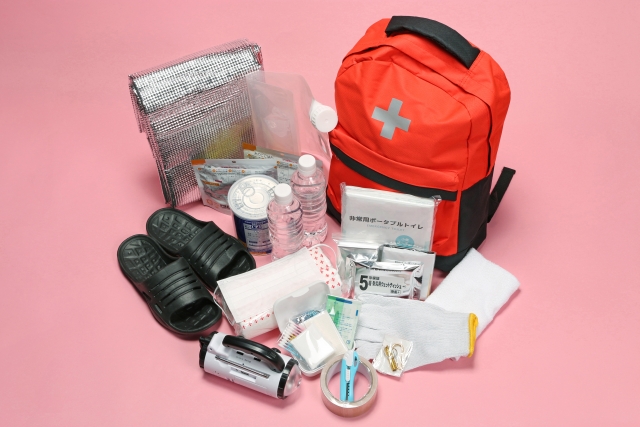
Bonus: In a Small Japanese Home, Make Space for Emergency Supplies
There is one more important consideration when living in Japan: emergency preparedness.
My approach is simple:
I reduce the things I keep “just in case” so I can make room for the things my family may genuinely need in an emergency.
In our home, we use floor-to-ceiling storage to keep emergency supplies together.
We keep extra everyday essentials such as tissues, toilet paper, and sanitary products, because these items can become difficult to find after a major disaster.
We also store drinking water and long-life emergency food.
Separate from our everyday kitchen pantry, having a dedicated place for emergency food and household supplies gives me a great sense of security.
Japan presents an interesting challenge.
Our homes are often small, yet we live in a country where earthquakes, typhoons, and other natural disasters make emergency preparedness especially important.
That is why I believe we should not fill our precious storage space with things we keep simply because “maybe someday.”
Instead, we can use some of that space for things that could genuinely protect and support ourselves and our families when we need them most.
To me, this is also an important part of organizing a small Japanese home.
A Small Home Can Still Offer a Rich Life
A small home does not mean you cannot live comfortably.
In fact, limited space gives us an opportunity to think more carefully about:
What we keep.
What we let go of.
What can serve more than one purpose.
And what we truly want to preserve.
Before trying to create more storage, take a moment to reconsider your relationship with the things you already own.
Small space doesn’t have to mean small living.
By choosing what you truly need, using what you own well, and giving everything a thoughtful place, even a small home can feel lighter, calmer, and richer.