Since I started working with people from overseas, I’ve often heard comments like:
“Japanese homes are smaller than I expected!”
In many countries, it’s not unusual for homes to have a garage, basement, attic, or large walk-in closets.
So when people first move to Japan, they may wonder:
“Can a family of three really live in this space?”
“Where do you store everything?”
But this is part of the Japanese way of living.
A tradition of living well in small spaces
For centuries, Japanese people have developed ways to live comfortably and efficiently in limited spaces.
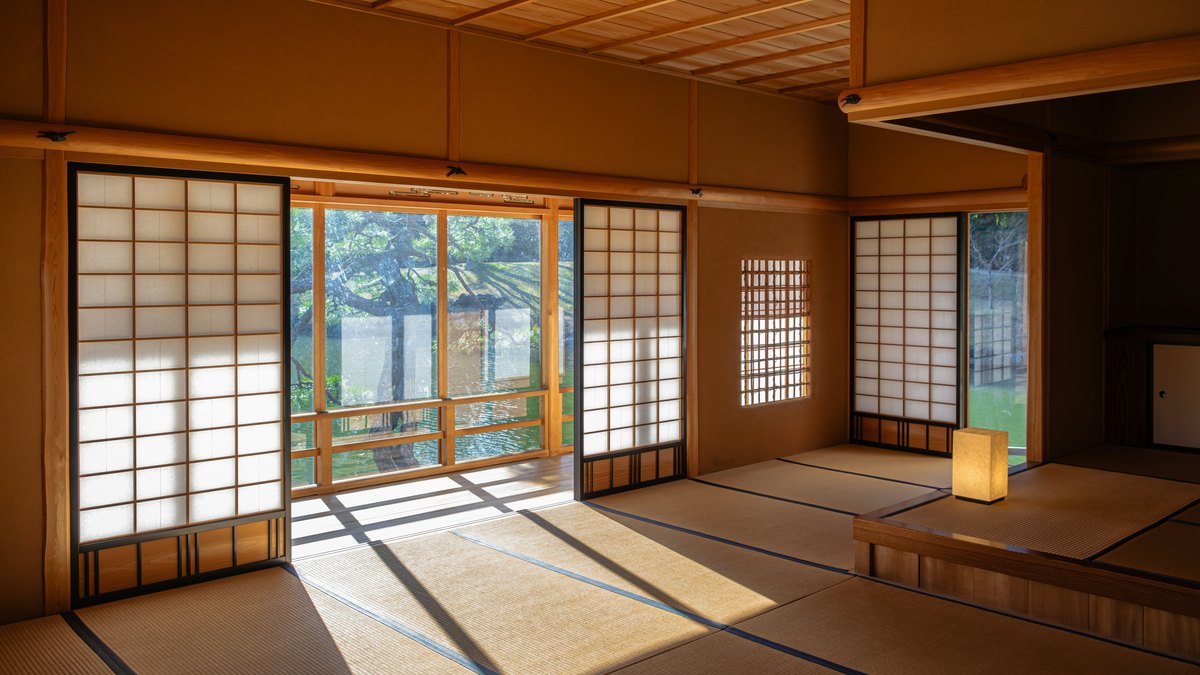
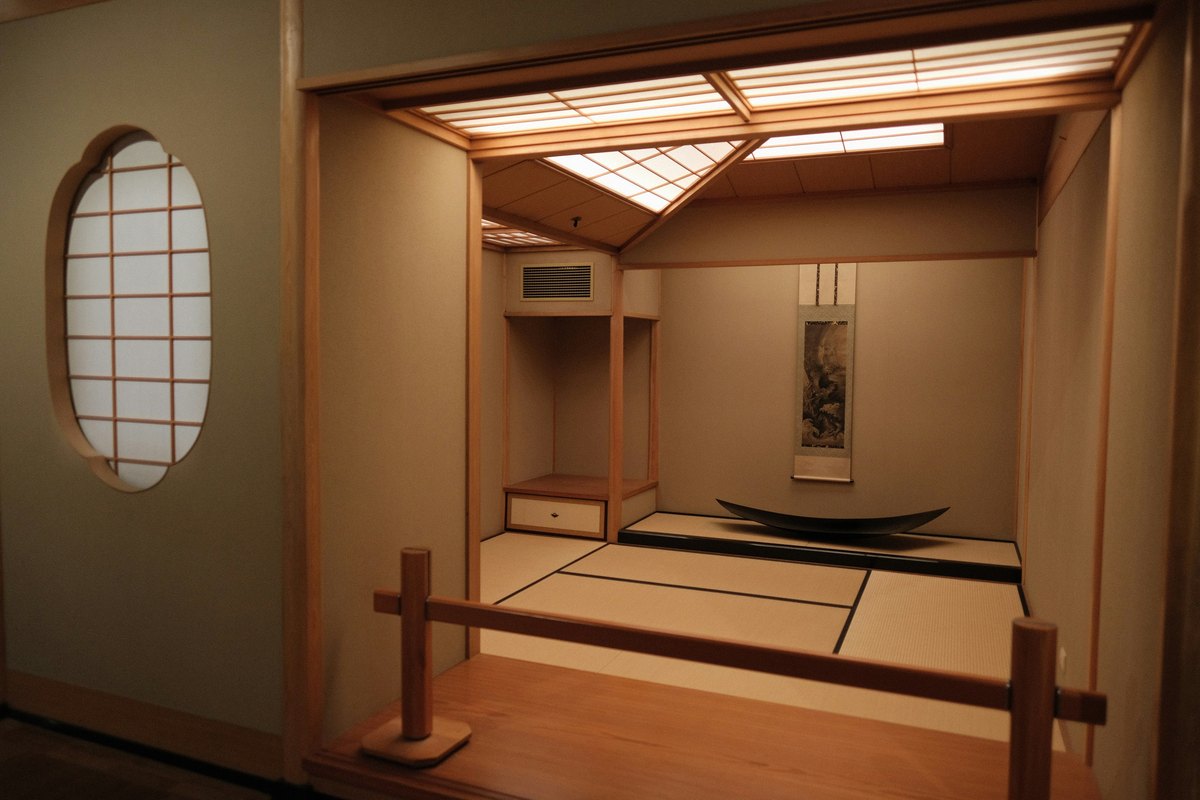
During the Edo period (1603–1868), it was common for families to live in a single six-tatami room.
The same room might be used for sleeping, eating, sewing and other household tasks, and even welcoming guests.
It may sound surprising today, but instead of giving each activity its own room, people transformed the same space throughout the day.
This way of living helped shape uniquely Japanese ideas and objects, such as:
- futons that can be folded and stored away
- low tables that can be moved when not in use
- “oshiire”, traditional built-in storage closets
In other words, flexibility became part of the Japanese home.
What we need changes over time
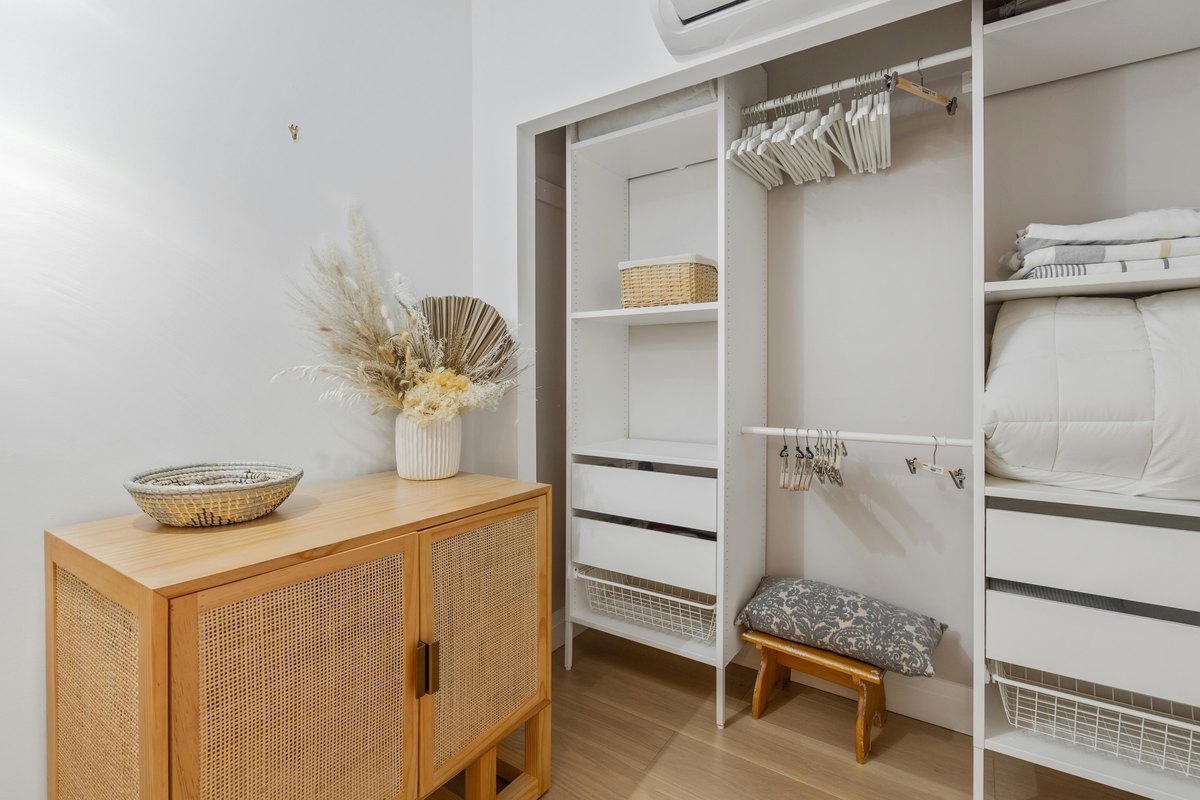
There has long been an idea in Japanese life that a small space can still offer a rich and comfortable life.
Rather than simply having more space, the focus is on choosing what is truly necessary and creating a home that supports everyday life.
And what we need changes over time.
A child is born.
Children grow up and eventually leave home.
Our work changes.
Our hobbies and interests change.
Life is always changing.
That is why it is important to regularly reconsider what we own and ask:
Does this still belong in my life today?
Japanese organizing is not simply about getting rid of things.
It is about creating a home that fits who you are and how you live now.
It is not about having a bigger home
So Japanese homes don’t feel organized because they are spacious.
In many cases, it is exactly because space is limited that people have learned to choose carefully, use space flexibly, and create room for what truly matters.
Perhaps the lesson is not that we need a bigger home.
Perhaps we simply need to reconsider what deserves a place in the home we already have.
Next Tidy Tip
So how can we actually put these ideas into practice?
In the next Tidy Tip, I’ll share 5 Ways to Live Better in a Small Japanese Home, including how to decide what to keep, make better use of limited storage, manage sentimental items, and even create space for emergency supplies.
Small space doesn’t have to mean small living.