
Blog Series: Sanctuary in Small Spaces — My Beautiful Tokyo Home
About this series
Barry’s blog series explores his take on what it’s like living in Japan, returning to live in Tokyo after forty years. How things have changed. If you’re living or considering a visit to Japan, his insights may help you in your journey of discovering Japan.
Barry focuses on home and community, always with a perspective that ties back to Japan’s value of intentional space or pause (“ma”). In a broad context, his discoveries are about how human beings create space for themselves and give those creations meaning. We all find joys in making a place we can call home. A location somewhere in this world where it is safe to live, establish a sense of belonging and community, and dream.
How this series began
A few years ago, I met Yuri Suzuki during a visit to New York. She is the founder of Okatazuke Salon and a practiced guide to Japan’s approach to decluttering. Her work is not only about tidy rooms. Yuri teaches a human-centred, practical method for arranging space so people feel calmer, clearer, and more capable. For a concise overview of her philosophy and approach, see her English home page: Okatazuke Salon — Welcome.
I also encourage you to read a blog I wrote on Yuri’s distinct approach to “Okatazuke,” which I define and explain in: The Quiet Philosophy of Space: Meet Yuri Suzuki of Okatazuke Salon.
Yuri has encouraged me to write blogs about my experiences living in Japan. My intro is below, as well as what I aspire to share with you. My intent is to share firsthand experiences that may enlighten and contribute to your appreciation of Japan. I hope you find some nuggets that may expand your understanding of everyday life in Japan, especially for those considering visiting or planning to make Japan their home. “Home and community” are the recurring themes I’ll attempt to highlight.
A little about me and my connection to Japan
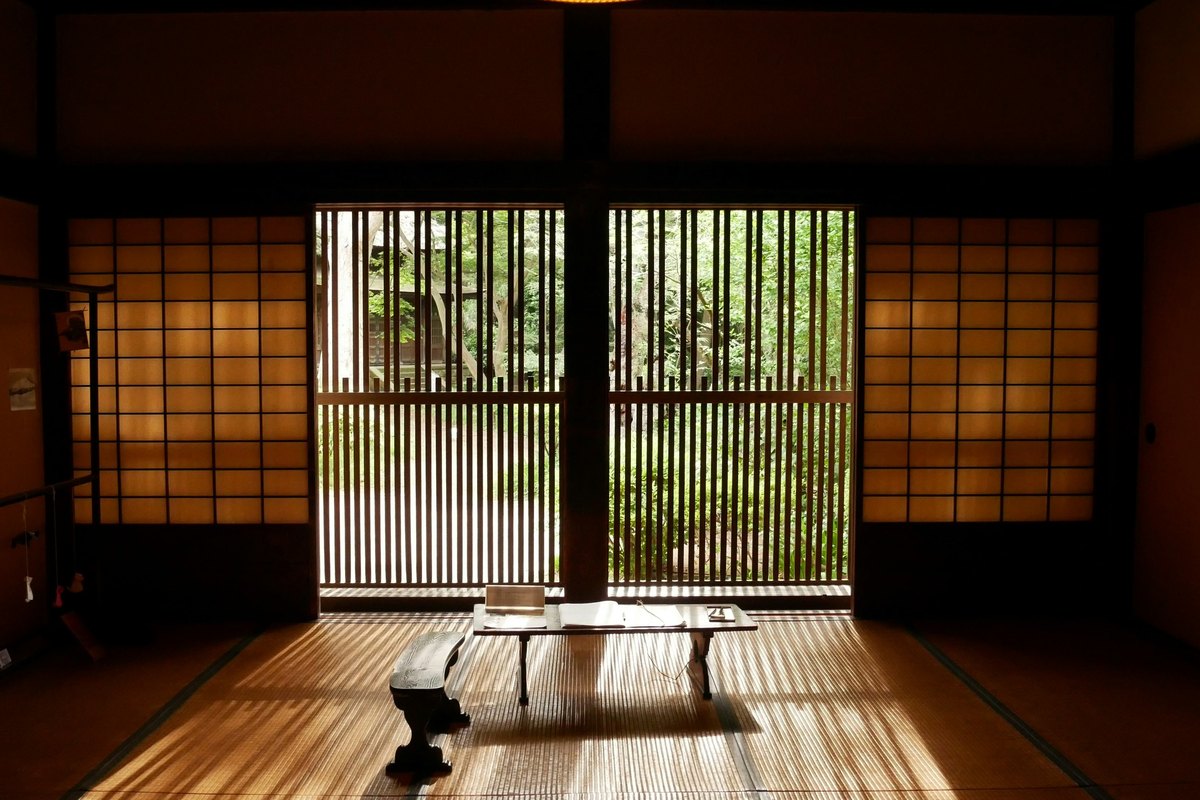
Many moons ago, I unexpectedly found my way to Japan, first landing in Tokyo. By some stroke of luck, I received a scholarship to pursue graduate studies in comparative culture. I knew absolutely nothing about Japan. Back in those days, Japan was considered a part of the “Far East,” a dated term, but it encapsulates the perception of distance, not just physical but culturally too.
It’s a time when sushi was not a thing. It was almost unattainable and unthinkable to consume raw fish in most places outside of Japan. The globalization of the “sushi economy” (a term coined by Sasha Issenberg and the book’s title) had yet to happen. Most people, including myself, would have thought sushi slimy, disgusting, vile tasting, a quick ticket to the hospital, and definitely not for the Western palate.
I landed in Japan (Narita) with literally nowhere to stay. I was living in a very remote location in the Canadian Sub-Arctic, completing a six-month stint with the Canadian Government, researching meteorology (my first degree). Because of the isolated location, and well before the dawn of digital communication, snail mail was my only means to contact the outside world. There was no way for me to connect with anything in or about Japan, from learning basic language skills to reserving a hotel. All I had were a flight ticket and a student visa; that’s it. The exception was my desire to try something completely different and see where life’s adventures took me.
I wasn’t entirely naive about Japan. My university minor was Eastern Philosophy, so I had some basic understanding of what I was walking into and held a strong fascination for Japanese “thought-and-cultural tradition.” Charles Moore, editor of The Japanese Mind, Essentials of Japanese Philosophy and Culture (1967), was my key to gaining an initial and profound interest and appreciation for Japan. In Moore’s introduction, he refers to Japanese culture as enigmatic and elaborates on the paradoxical nature of the Japanese mind. I’m encouraged to re-read it to see how these perspectives on Japanese culture and thinking still apply to current-day Japan.
There’s so much to explore and unpack in my last paragraph. Through my blogs, I’ll slowly uncover what he may have meant by “enigmatic” through my personal journey and now 40+ year experience since my very first real encounter with Japan.
Immigration was my first taste of Japanese formalities, starting with their thirst for documentation and specifics (rules, laws, expectations, obligations, etc.) and in incredible detail. A flurry of different stamps and seals were affixed to my passport and documents. A stack of immigration papers was neatly folded and stapled to my passport. Upon receiving back my now pregnant passport, the immigration officer nodded and pointed to the exit. I was ecstatic and ready to take my first steps in Japan!
I stepped outside with my entire life’s belongings stuffed in a backpack, absolutely clueless about what to do next – where to stay for my first night and how to make my way to Sophia University the next day. When I arrived in 1985, international visitors totalled barely two million (compared with 43 million in 2025). Signage was primarily in Japanese script, and most people couldn’t respond to questions in English. No Google Maps, no Google Translate, nothing but pure adrenaline. I knew ten Japanese words at best. And so my journey began – living there as a student and then as a working professional in three cities over almost ten years.
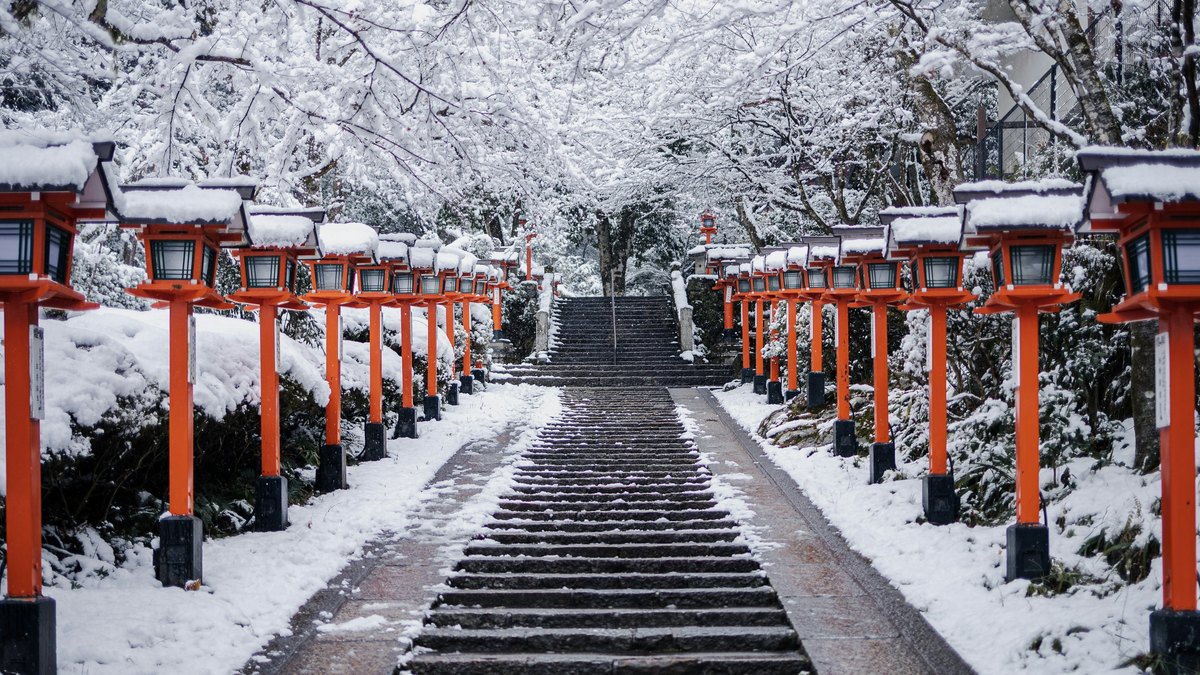
How have things changed since last living there? Well, in some ways. With some additional time on my hands, I’ve decided to temporarily relocate to Tokyo. It’s a city with which I have a strong relationship. I frequent Japan at least once a year for monthly stints, but I’ve never really tried to live there for longer periods and in a place I can call home, not just a hotel room. My new home’s doorway will be my Torii for exploring the world that exists beyond in my search for insights and inspiration.
What do I want to share in my blogs?
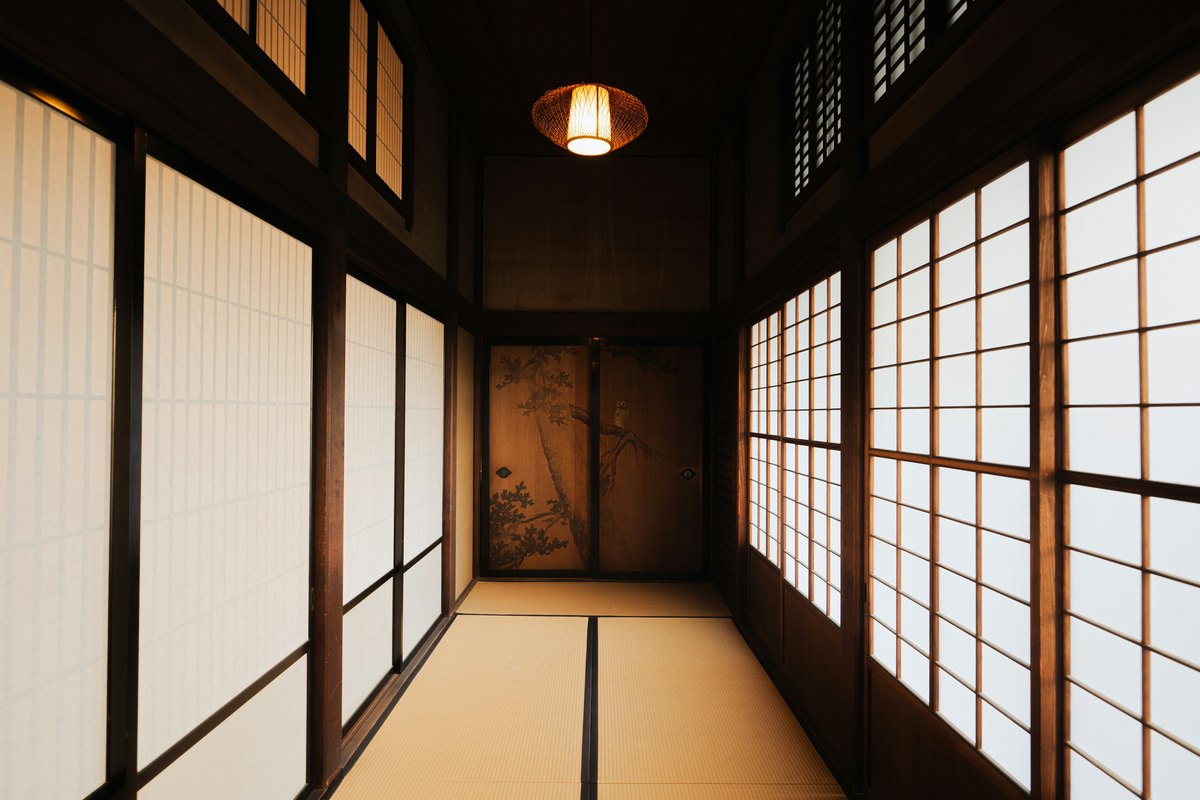
In September (2026), the journey starts. It’s been some time since I’ve taken the effort to reflect on my experiences in Japan.
I used to write frequently when I last lived there. It was the only economical means of communicating with the outside world. Pen, paper, and post were really the only means to connect. In my letters to family and friends, primarily to my mother, I shared my insights and thoughts about my surroundings and learnings. Often returning to the theme of Japan’s definition of space or home from many cultural perspectives—physical, religious, sensibilities, attitudes, historical, and neighbouring communities as an extension of home.
In my blogs, I aspire to communicate my insights specific to my experience of the Japanese home and surrounding communities. I’ll first focus on my journey to acquiring a temporary home in Japan. I’m also interested in exploring the phenomenon of “akiya” (unoccupied houses). A staggering 13% of houses in Japan are empty, often in a state of disrepair. Tokyo has the highest number, so I’m curious to better understand this and especially the impact on the community and what’s being done to minimize its progress with population decline and a rapidly aging society.
There were many surprises that I think may be worth sharing specific to this space itself, my new home. I’ll then broaden my lens to venture beyond my space and neighbouring communities, but always with the attempt to connect to the exploration of home.
Connecting my experience to Okatazuke Salon
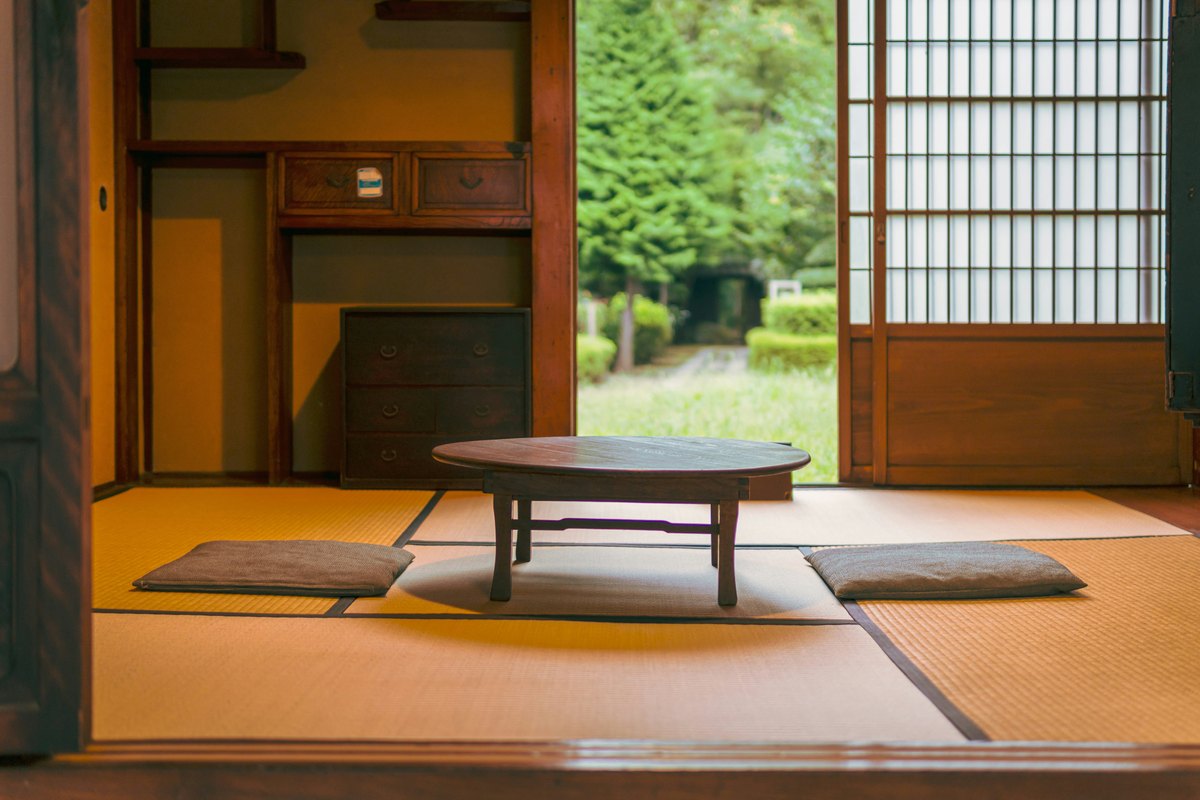
Beyond sharing thoughts, my aspiration is for Yuri to bridge my insights to a pragmatic perspective based on the fundamentals of “ma” and her distinct Japanese approach to “okatazuke” and how you can apply these ideas and principles to everyday life in your home.
In my introduction to Yuri’s Okatazuke Salon, I hope you gain an appreciation of the value she brings in possibly transforming your space, your home, and your life within it. Our home is our sanctuary. I believe her ideas may inspire you to make minor changes and to positively transform not just your home, but how you live.