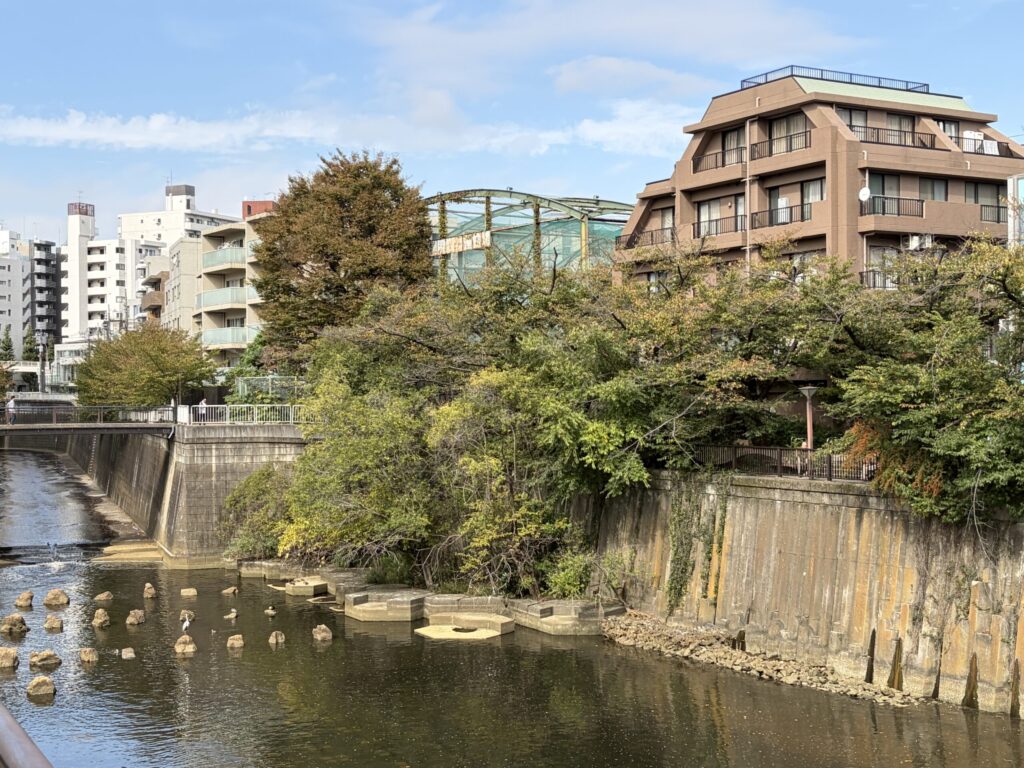
I’m a month into my stay in Tokyo, and I thought I’d share a few essentials for making a visit to Japan rewarding—and a little less eventful.
Much has changed since I first lived here from the mid-1980s. Back then, most signs, information sources, and menus were available only in Japanese. There were no translation apps, and getting around Tokyo—or simply managing daily life—meant quickly learning some basic Japanese, both spoken and written. It was very much a sink-or-swim situation.
To put today’s tourism into perspective, Japan welcomed a record 42.7 million international visitors in 2025. In the late 1980s, annual arrivals were typically around 2 to 3 million. That dramatic increase reflects changes in Japan’s tourism strategy, easier travel, and the country’s rise as a leading global destination. The yen’s favourable exchange rate has also made Japan an attractive destination for many visitors.
Japan has become much easier for visitors to navigate, and technology has helped enormously. Google Translate and Google Maps are invaluable for daily life. Still, translation apps don’t replace the effort to learn a few basic phrases or understand local etiquette. Those small gestures can open doors—and may help ease the “tourism fatigue” I’ve witnessed, particularly in rural areas, where tourism can sometimes disrupt daily life and become a source of frustration.
“Tourism fatigue” describes residents’ frustration with the effects of heavy visitor numbers: crowded transit and popular sites, traffic and noise, littering or inconsiderate behaviour, and pressure on housing and local services. In Japan, these concerns have grown alongside record inbound tourism. The issue is not tourism itself so much as the concentration of visitors in certain neighbourhoods and destinations, sometimes faster than local infrastructure can accommodate.
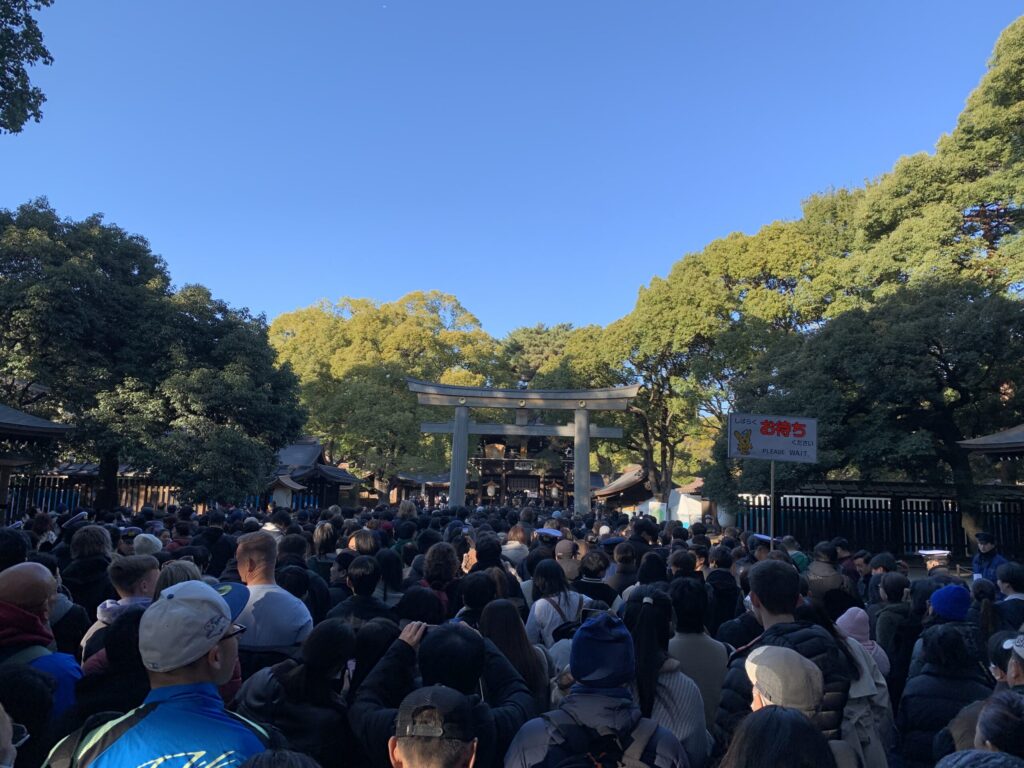
Here are a few basics for avoiding adding to that strain.
Manners
Japanese social norms place a strong emphasis on consideration and avoiding inconvenience to others. The phrase meiwaku o kakenai describes this principle: trying not to cause trouble, annoyance, or disruption. It has deep roots in Japan’s social and historical context.
One related idea is wa—the pursuit of social harmony. In a society where people share public spaces closely, individual behaviour can affect the group. Speaking loudly on a train or blocking a walkway, for example, may seem minor, but can disrupt many people.
Mutual respect and shared responsibility are also important. By being mindful of the burdens we place on others, we help shared spaces work more smoothly. For visitors, that doesn’t mean needing to know every unspoken rule. It does mean paying attention to the people and surroundings around you.
A few helpful ways to put this into practice:
- Notice social cues. Kūki o yomu literally means “to read the air”: to sense the mood, unspoken expectations, or social cues in a situation and adjust your behaviour accordingly. Pay attention to people nearby, and give others room to speak or move.
- Keep your voice down. Use your “library voice,” especially on trains, at shrines and temples, and in crowded places.
- Use public spaces considerately. Queue patiently, give people room, and avoid spreading out across narrow sidewalks or crowded platforms.
- Dispose of rubbish responsibly. Public bins can be hard to find. Use one when available; otherwise, carry your rubbish until you find an appropriate place to dispose of it.
Language
Learn a few basics. Even a handful of Japanese phrases can make your trip smoother and show consideration for the people you meet. Sumimasen (“excuse me”) and arigatō gozaimasu (“thank you”) are especially useful in shared spaces and everyday interactions. Making the effort—and expressing thanks—goes a long way.
Additional tips
- Bring a reusable water bottle or thermos. Rubbish bins can be difficult to find, so carrying a bottle is convenient. You can refill it before heading out. If you buy a bottled drink, use recycling bins at convenience stores where available.
- Bring a handkerchief. Many washrooms don’t provide paper towels for drying your hands. You can also buy one locally; department stores have a wide selection.
- Carry some cash. Many transactions are now digital, but some restaurants still accept cash only. Having a little on hand can help you avoid a surprise at payment time—and ensure you don’t miss a great meal.
Apps to download
- Google Translate: The camera feature works well for translating signs and menus.
- Suica: A rechargeable smart card for trains, buses, and many everyday purchases.
- NHK World: Offers Japan news and emergency information, including updates during earthquakes and typhoons.
- Tabelog: A popular resource for restaurant recommendations.
- LINE: A messaging app widely used in Japan; handy for keeping in touch with people there.
- NAVITIME: A transit-planning alternative to Google Maps, with routes and travel information for visitors.
- GO Taxi: Lets you book taxis in many Japanese cities.
- eSIM: Options like Airalo or Roamless (there are countless providers) can help you get mobile data soon after you arrive, without swapping a physical SIM card and saving you a ton on money.
A little preparation can make getting around Japan easier—and help make the experience more pleasant for the people who call it home.