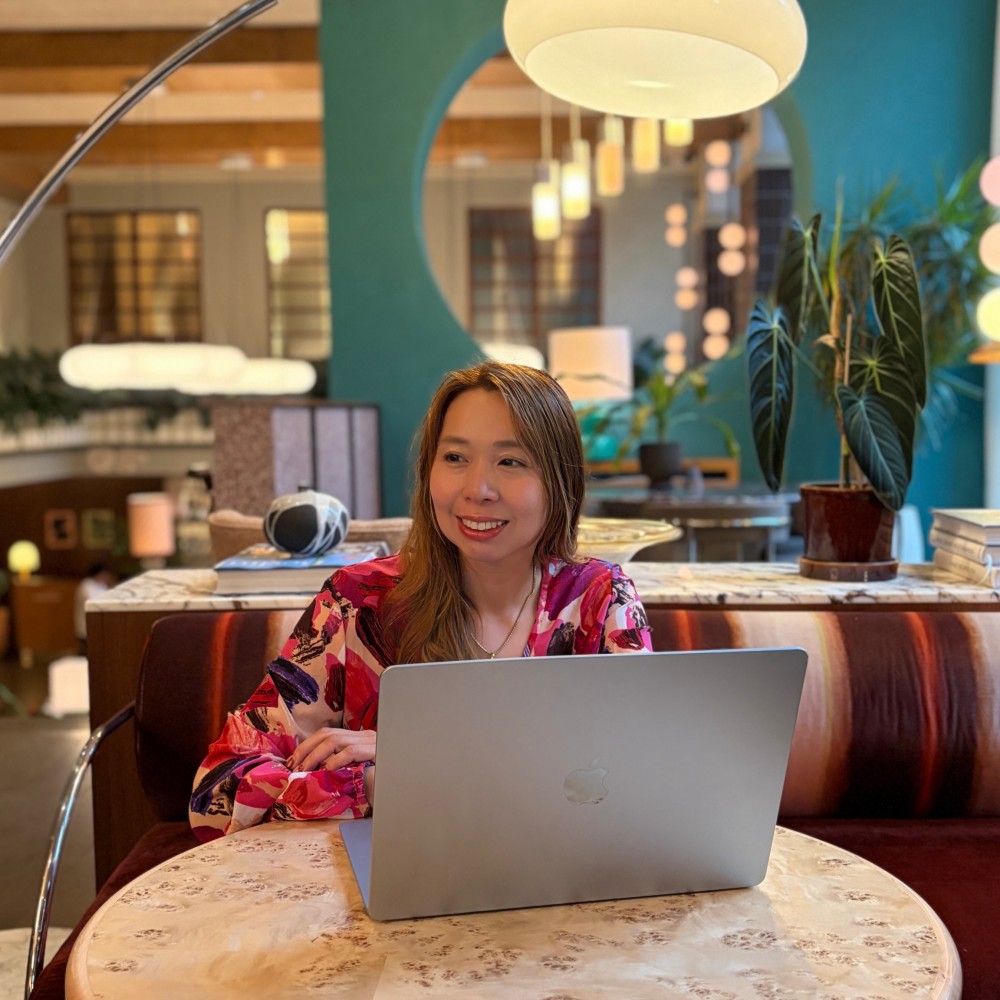

Setting up a home in a new country comes with many small questions.
Where can I buy dishes and cleaning supplies?
What should I use to store food?
How can I make a home with limited storage easier to live in?
Each question may seem simple, but finding the right household essentials in an unfamiliar country can take more time and effort than you expect.
Recently, I accompanied an international resident who was starting a new life in Japan on a shopping trip to DAISO, one of Japan’s best-known discount household goods stores (100-yen store).
Together, we chose practical items to help make their new home comfortable, organized, and easy to use.

Around 20 Items for Just ¥3,000!
They were especially surprised by the variety of products at DAISO—and the prices.
We picked up around 20 items for approximately ¥3,000 in total, including cleaning supplies, kitchen tools, and a few items priced at ¥300 each.
“This could cost more than ¥10,000 (three times the price) in my home country!” they said.

As a professional organizer, I’ve used DAISO storage products in many of my clients’ homes. I’ve also visited and filmed a DAISO store for a YouTube feature, so finding clever, practical products that make organizing easier is one of my specialties.
For this shopping trip, I recommended items that had worked well in my clients’ homes, along with products I find useful in my own daily life—the things I’d happily say, “You have to try this!”
Alongside ease of use, I looked for simple, beautiful designs. Choosing complementary colors and materials helps a room feel tidy and cohesive, even with everyday essentials on display.
With that in mind, we selected food storage containers, cleaning tools, storage products, and tableware.
My Recommended Finds: What We Actually Bought
Here are the items I recommended and my client purchased during our shopping trip.
Everything featured in this section was ¥100 before tax! DAISO also offers items priced at ¥200 and ¥300, but you can still find affordable, well-made products with simple, attractive designs.
Even if you’re just visiting Japan, you might find something useful to take home—a practical souvenir for your own space.
For each item, I’ll explain where to use it and what makes it so handy.
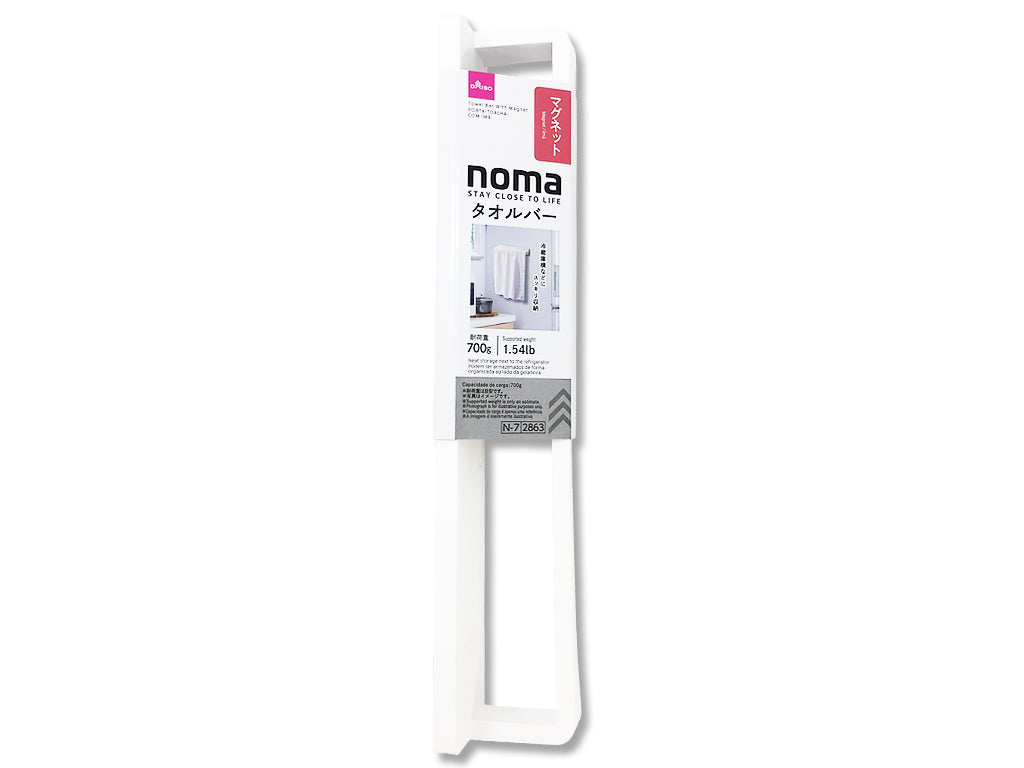

My client wanted a towel holder for the side of the refrigerator, so I recommended this magnetic towel bar. It attaches easily without tools and has a load capacity of 700 g, making it a handy option for keeping a kitchen towel within easy reach.

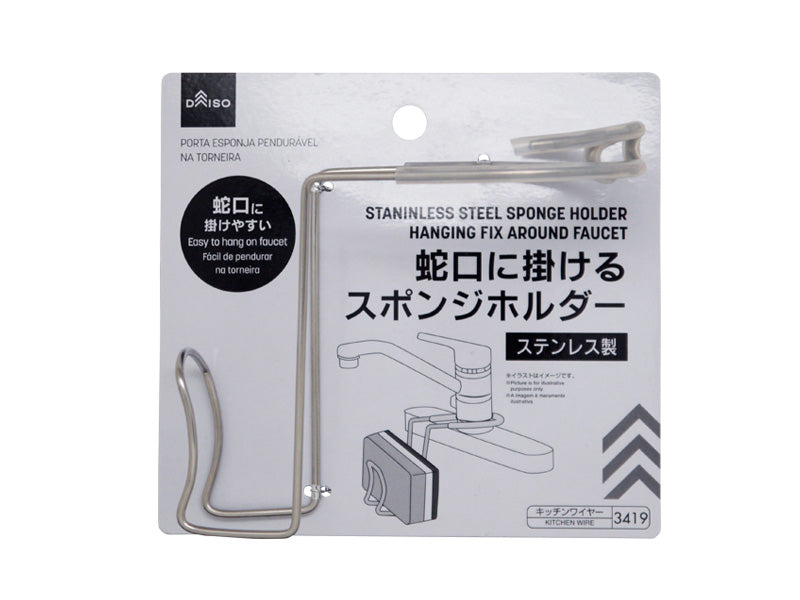

Next is a sponge holder that hangs from the faucet. It allows your sponge to drain and dry, helping limit bacterial growth. It also keeps the sponge off the countertop, freeing up space around the sink—a handy solution for a small kitchen.
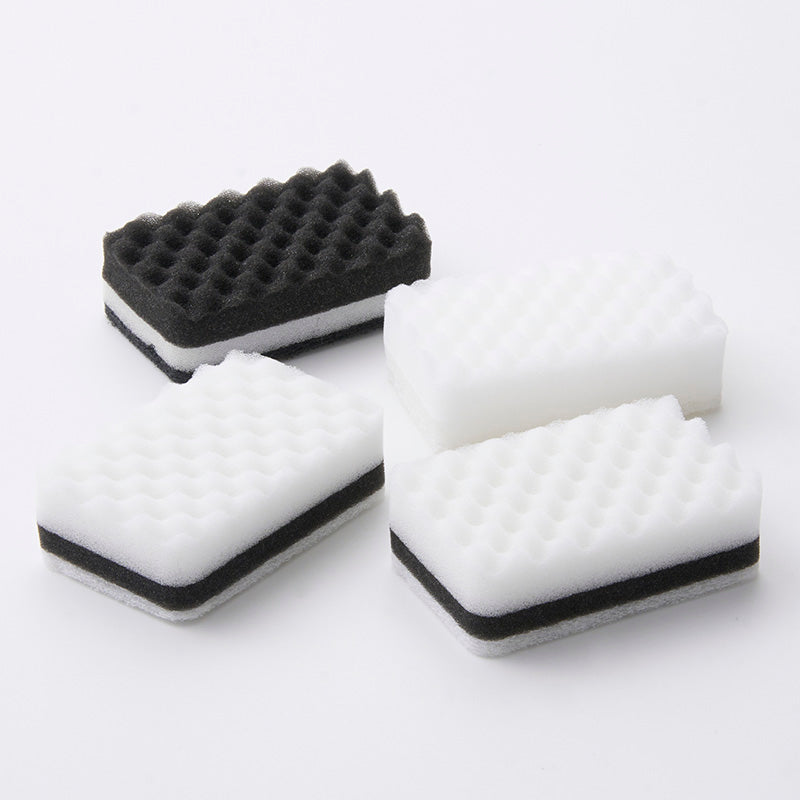

These simple monochrome sponges blend beautifully into a kitchen without adding visual clutter. Neutral colors and minimalist designs have become popular in Japan, and you can find plenty of affordable options—even at 100-yen stores.
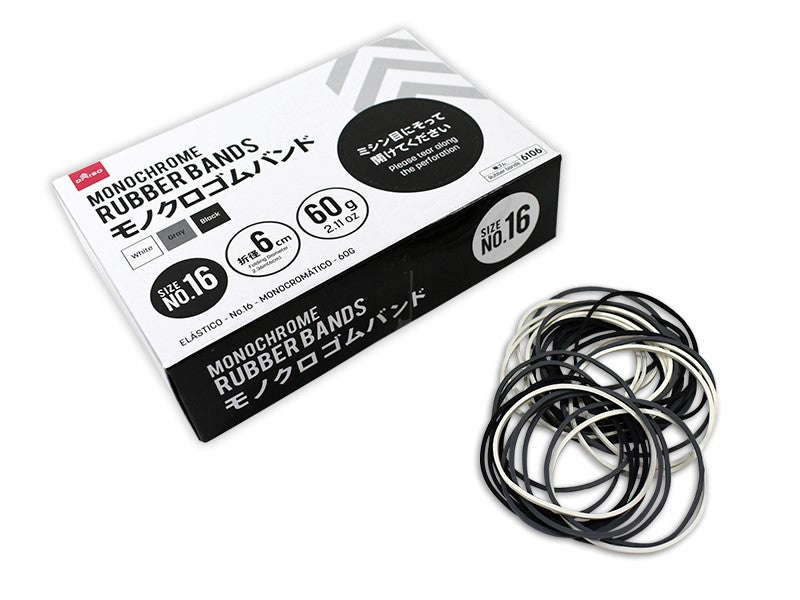

These monochrome rubber bands are another simple find. You might picture the usual brown ones, but in Japan, you can find affordable options in everything from black and white to bright colors, as well as a range of sizes.
What are rubber bands like in your country?
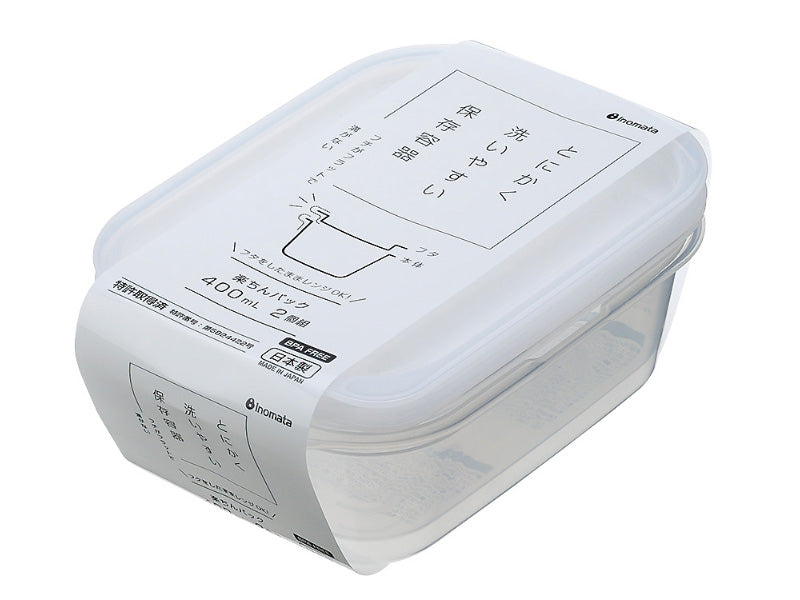

These food storage containers are great for keeping leftover rice or salad, and they look lovely enough to serve straight on the table. Their smooth, flat rims have no grooves, making them easy to wash.
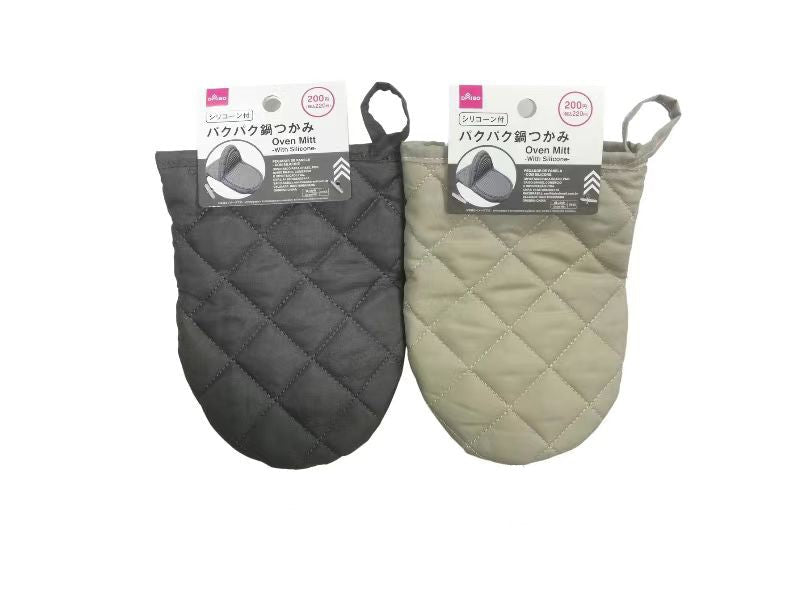

This simple pot holder has a silicone grip that makes hot cookware easier to hold. Unlike a bulky oven mitt that covers your whole hand, its compact design hangs neatly on a hook—perfect for keeping a small Japanese kitchen tidy.


You can also find a variety of placemats and coasters at 100-yen stores. Small touches like these can make everyday meals feel more inviting. DAISO is a great place to add comfort and style to your home without spending a lot.
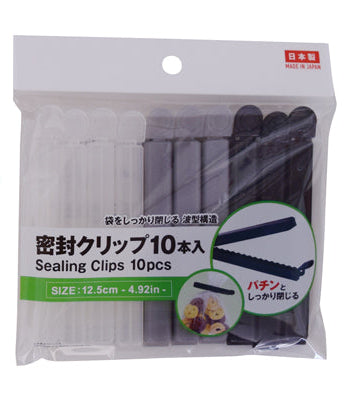

These bag clips help keep cookies and sliced bread fresh by securely closing their packaging. Their simple, neutral colors also keep your kitchen looking neat and uncluttered.
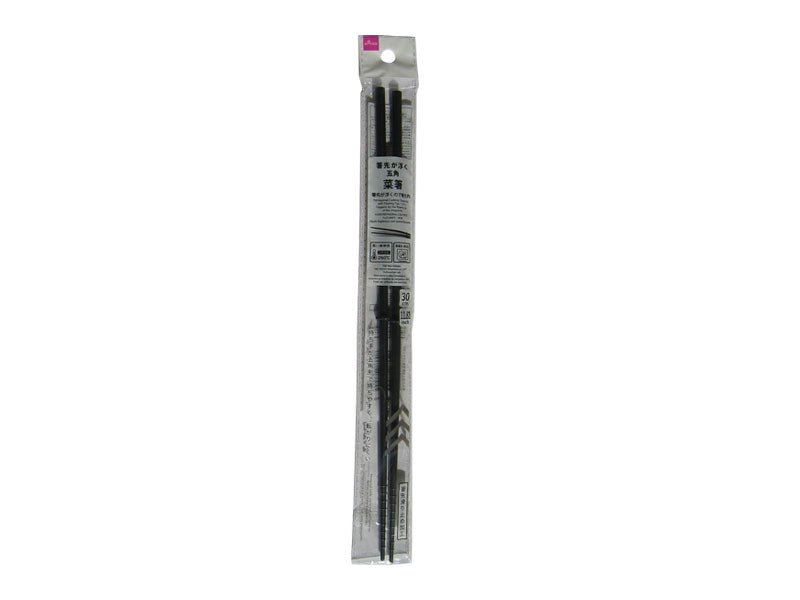

These cooking chopsticks come in a simple, neutral color, so they look stylish even when left out to dry. They also have a clever design that keeps the tips raised off the countertop when set down, helping keep them clean. And yes—these were just ¥100 too!
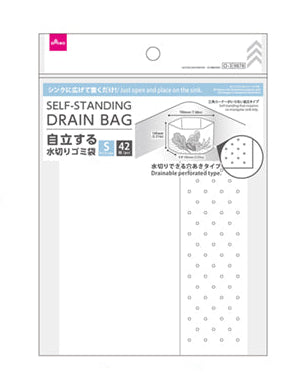

Unlike a traditional triangular plastic sink strainer, this disposable version lets you drain away the water and throw it out together with the food scraps when you’re done. There’s no basket to scrub, making cleanup much easier.
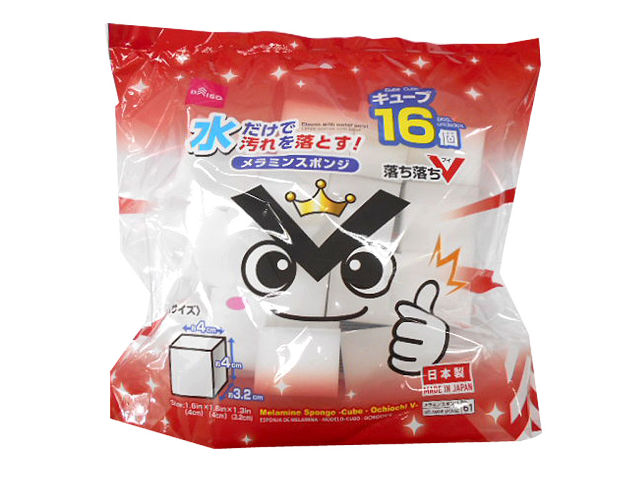

Have you ever tried melamine cleaning sponges? These little cubes make it easy to remove coffee and tea stains from mugs with just water and a gentle rub. This pack of 16 was only ¥110 including tax—a great bargain compared with what I usually find at supermarkets!
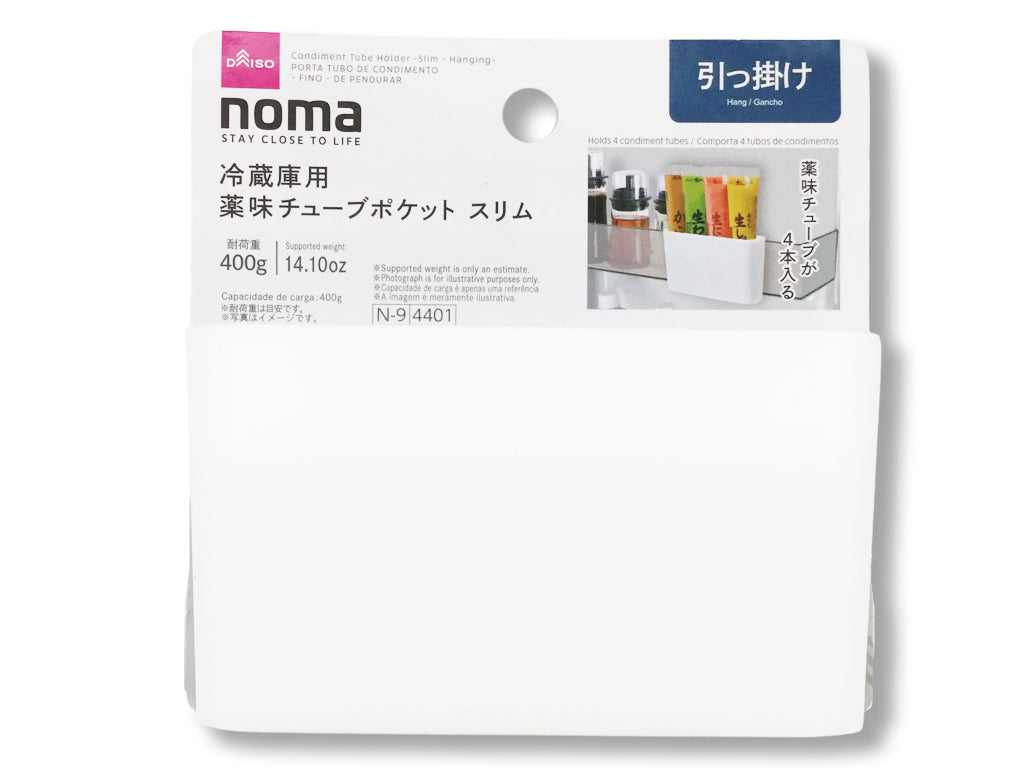

If you live in Japan, you may find yourself enjoying sushi and sashimi more often! A tube holder in your refrigerator door pocket keeps condiments like wasabi easy to find, so they don’t get lost among other items.


Even I couldn’t help saying, “How cute!” when I saw these cable ties. My client was delighted and said they’d never seen anything like them in their home country. They even mentioned buying some to take home for their family.

These cute cable ties keep your laptop and phone charging cables neatly bundled.
The design features a shima-enaga, a fluffy white bird found in Hokkaido. During your time in Japan, you may spot this adorable little bird on stationery, in arcade prizes, and in all sorts of other designs!
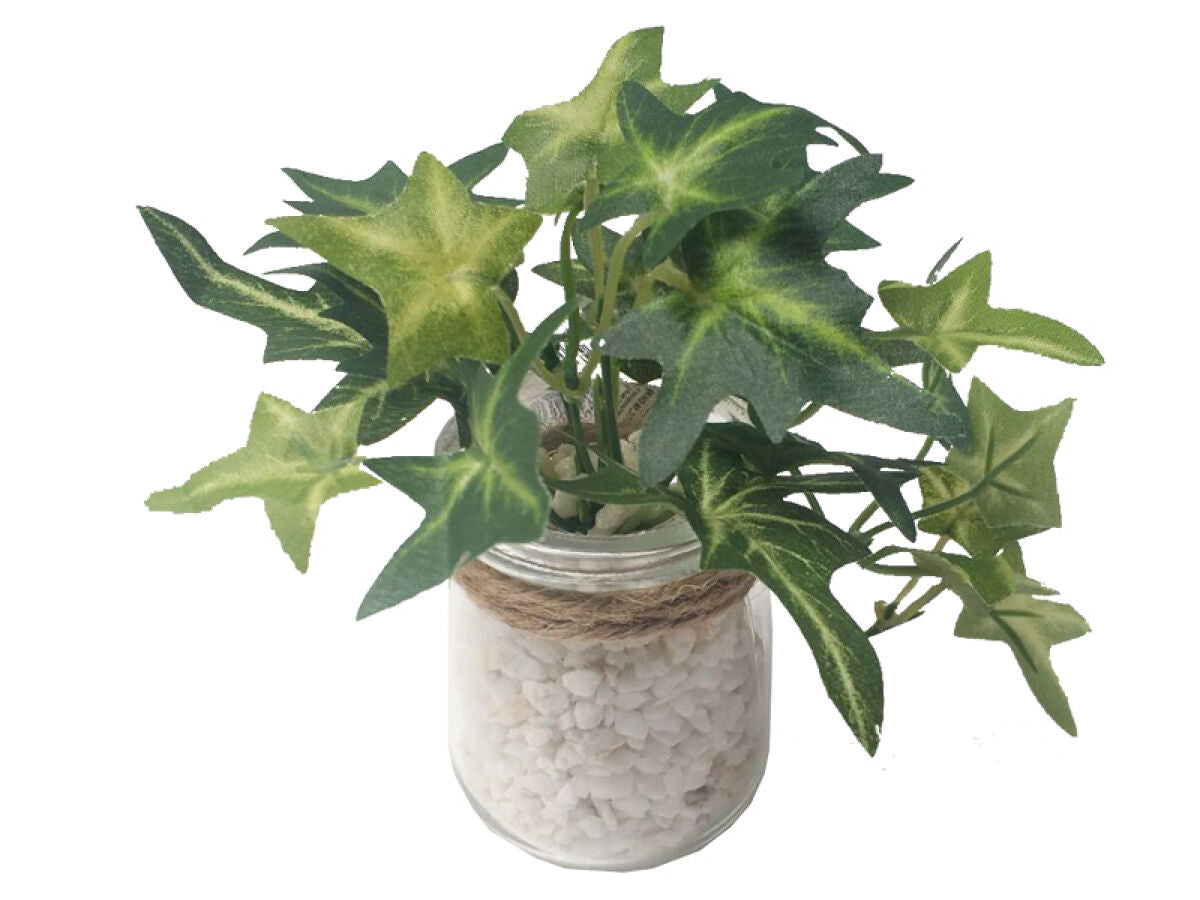

A touch of greenery can make your room feel more inviting and stylish. These little artificial potted plants are an easy way to add some color without any upkeep—see if you can find one you love!
Make Use of Wall Space with Magnetic Storage
My client was particularly interested in the magnetic storage products at the 100-yen store.
In a compact Japanese home, magnetic surfaces can provide extra storage space, keeping everyday essentials within easy reach. Most Japanese kitchen backsplashes are metal allowing for magnetic items to be easily arranged in a way that’s functional for you.
If you’re renting, you will need permission before drilling holes in the walls. Magnetic storage offers a convenient way to organize without drilling.
Before buying, though, think about where you’ll use each item and what you want it to hold.
Check that the surface is magnetic, the dimensions fit, and the product’s weight limit is suitable for your needs. A few quick checks can help you choose something that works well in your home.
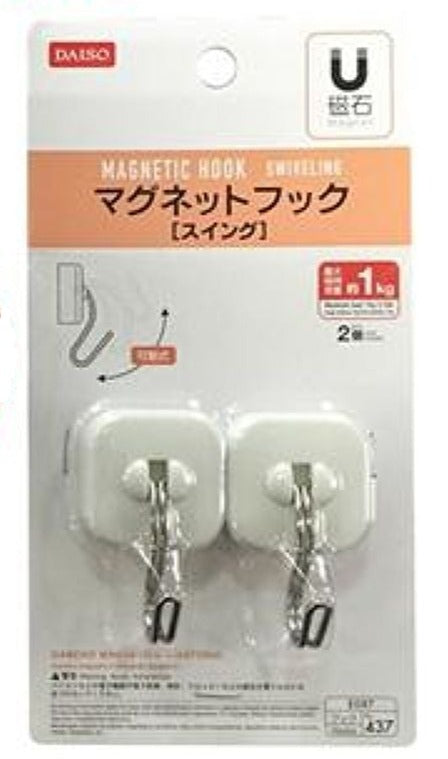

I purchased this item at a 100-yen store a few years ago and gave it to my client. The link is for reference only and may not show the exact same product.
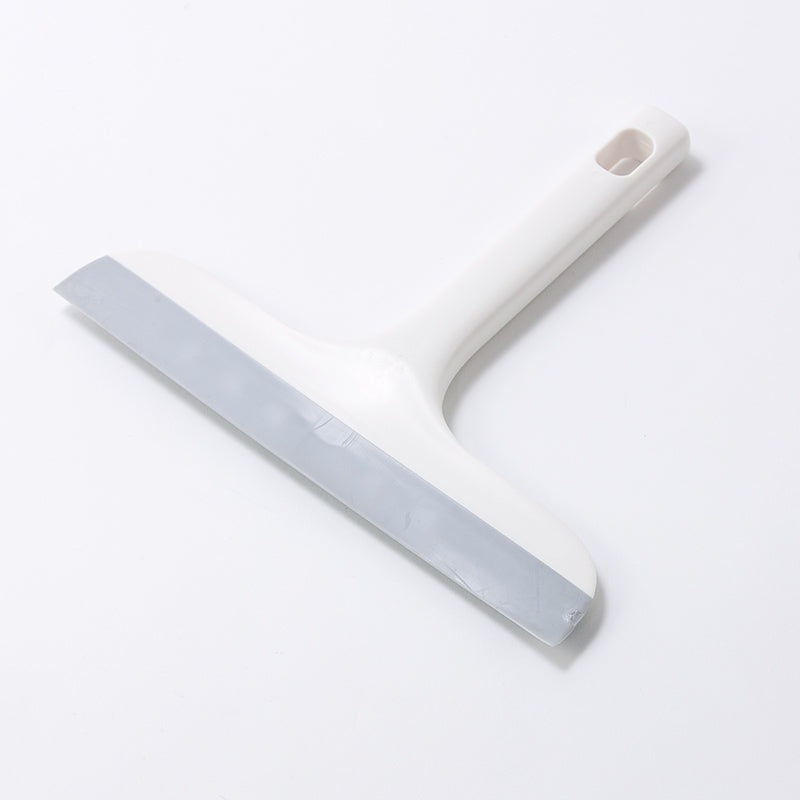

A squeegee is handy for removing water from bathroom walls after a bath or shower. This magnetic version attaches directly to a suitable wall, keeping it within easy reach. Many Japanese bathrooms have walls that magnets can stick to, but check yours before buying.
Bonus Finds: Take a Look at 3COINS!
Alongside my DAISO picks, I’d also like to share a handy find from 3COINS.
My client had been having trouble with socks going missing in the laundry, so I recommended this item as a practical solution available in Japan.


This laundry bag holds up to four pairs of socks and goes straight into the washing machine. It helps keep socks from going missing in the wash and saves you the time and effort of matching pairs when hanging them up to dry.
You can also hang the bag to dry with the socks still inside, although in my home, we take them out and hang them separately.
Choosing Everyday Essentials: A First Step Toward Feeling at Home
If you’re starting a new life in Japan, take a look around DAISO!
Before you go, make a list of what you need and bring photos of your room, along with measurements of any spaces you want to organize. These can help you picture how each item will work in your home.
As part of my home organizing services, I also help clients choose household essentials that suit their space and daily routines.
Little by little, an unfamiliar home becomes easier to understand, easier to use, and more comfortable to live in. Helping people build that confidence is one of the joys of my work.
If you’d like support with your home in Japan, I’d love to hear from you. I also welcome writing commissions from international publications and media.